White sauce for pizza offers a creamy and rich alternative to traditional red tomato sauce, creating a luxurious base for gourmet pizzas. This versatile sauce, typically made from butter, garlic, cream, and cheese, has become increasingly popular across the United States pizza scene in 2026. Whether you’re crafting a classic Alfredo-style pizza or experimenting with ricotta-based variations, mastering white sauce for pizza elevates your homemade pizza game to restaurant quality.
What Is White Sauce for Pizza Made Of
The foundation of white sauce for pizza consists of simple yet flavorful ingredients that create a creamy, savory base. Traditional white pizza sauce combines butter, heavy cream, minced garlic, and Parmesan cheese with seasonings like salt, pepper, and Italian herbs. Unlike red sauce that relies on tomatoes for acidity and sweetness, white sauce delivers richness through dairy components. In 2026, American pizzerias increasingly offer white sauce options, with approximately 68% of artisan pizza restaurants featuring at least one white pizza on their menus. The sauce’s neutral color allows colorful toppings to stand out visually while providing a luxurious mouthfeel that complements both meat and vegetable toppings.
The basic formula requires just four to five core ingredients, making it surprisingly accessible for home cooks. Quality matters significantly with white sauce since there are fewer ingredients to mask imperfections. Using fresh garlic instead of powdered creates aromatic depth, while real butter provides superior flavor compared to margarine. Heavy cream with at least 36% fat content ensures proper consistency and prevents the sauce from becoming watery during baking. Freshly grated Parmesan cheese melts smoothly and adds nutty, salty notes that define authentic white pizza. Many recipes incorporate cream cheese or ricotta for additional body and tang.
Essential Ingredients for White Pizza Sauce
Creating perfect white sauce for pizza requires selecting quality ingredients that work harmoniously together. Each component plays a specific role in achieving the ideal texture, flavor, and consistency for your pizza base.
Dairy Components and Fat Content
The dairy base determines your sauce’s richness and stability during baking. Heavy whipping cream with 36-40% fat content provides the best results, creating a sauce that doesn’t separate at high oven temperatures. Whole milk can substitute for a lighter version but may require a thickening agent like flour or cornstarch. Butter adds essential fat and carries the garlic flavor throughout the sauce, with unsalted butter recommended so you can control sodium levels. Cream cheese or ricotta cheese contributes body and a slightly tangy flavor profile that balances the richness. In 2026, lactose-free cream alternatives have improved significantly, with brands like Organic Valley and Califia Farms offering products that perform nearly identically to traditional dairy in white sauce applications.
Cheese Selection for Optimal Flavor
Parmesan cheese remains the gold standard for white pizza sauce, providing umami depth and salty complexity. Authentic Parmigiano-Reggiano from Italy offers superior flavor, but domestic aged Parmesan from Wisconsin or California delivers excellent results at lower cost. Freshly grated cheese melts more smoothly than pre-shredded varieties, which contain anti-caking agents that can create a grainy texture. Mozzarella cheese can be incorporated into the sauce itself or reserved exclusively for topping. Pecorino Romano adds sharper, more assertive notes for those preferring stronger flavor. A blend of 60% Parmesan and 40% Asiago creates a well-rounded taste profile favored by many professional pizza makers across the United States in 2026.
Garlic and Seasoning Elements
Garlic serves as the aromatic backbone of white sauce for pizza, with fresh cloves providing the most vibrant flavor. Three to four medium cloves minced finely distribute evenly throughout the sauce, while roasted garlic offers a sweeter, mellower profile. Sautéing garlic in butter until fragrant but not browned releases its essential oils without introducing bitterness. White pepper works better than black pepper aesthetically, maintaining the sauce’s clean appearance while adding subtle heat. Italian seasoning blend, dried basil, or oregano contribute herbal notes that complement the dairy richness. A pinch of nutmeg enhances cream-based sauces with warmth and depth, a technique borrowed from classic béchamel preparations. Red pepper flakes provide optional heat for those who enjoy spicy pizza variations.
How to Make White Pizza Sauce Step by Step
Preparing white sauce for pizza takes only 10-15 minutes and requires basic cooking techniques that even beginners can master. The process involves creating a roux, incorporating dairy, and seasoning to taste for a smooth, flavorful sauce.
Basic White Sauce Cooking Method
Start by melting three tablespoons of unsalted butter in a medium saucepan over medium heat until it begins to foam. Add four cloves of minced garlic and sauté for 60-90 seconds until fragrant, stirring constantly to prevent burning. Sprinkle two tablespoons of all-purpose flour over the butter and garlic, whisking vigorously to create a smooth roux that will thicken the sauce. Cook the roux for two minutes while stirring to eliminate the raw flour taste. Gradually pour in one cup of heavy cream while whisking continuously to prevent lumps from forming. The mixture will thin initially then thicken as it heats. Bring the sauce to a gentle simmer and cook for 3-4 minutes until it coats the back of a spoon. Remove from heat and stir in half a cup of freshly grated Parmesan cheese until melted and incorporated. Season with half a teaspoon each of salt, white pepper, and Italian seasoning, adjusting to taste.
No-Cook White Sauce Alternative
For a quicker preparation method, combine one cup of ricotta cheese with half a cup of sour cream in a mixing bowl. Add three cloves of pressed or finely minced raw garlic, which provides a sharper, more assertive flavor than cooked garlic. Mix in a quarter cup of grated Parmesan cheese along with seasonings: half a teaspoon of salt, quarter teaspoon of black pepper, and one teaspoon of dried Italian herbs. Whisk or blend until smooth and creamy, adding one to two tablespoons of olive oil to achieve spreadable consistency. This no-cook white sauce works exceptionally well for pizzas that will bake at high temperatures, as the oven cooking develops the flavors. The ricotta base provides protein and creates a slightly drier surface that prevents soggy pizza crust, a common issue with cream-based sauces. This method has gained popularity in 2026 among home pizza makers for its convenience and reliability.
Consistency and Texture Adjustments
Achieving the perfect white sauce for pizza consistency requires balancing thickness for easy spreading with enough moisture to prevent drying during baking. The sauce should be thick enough to coat a spoon but thin enough to spread smoothly across pizza dough without tearing it. If your sauce becomes too thick, gradually whisk in additional cream or whole milk one tablespoon at a time until reaching desired consistency. Overly thin sauce can be thickened by simmering longer to reduce moisture, or by whisking in a slurry of one tablespoon cornstarch mixed with two tablespoons cold water. Remember that the sauce will thicken slightly as it cools and will also reduce during pizza baking. For a lighter texture, fold in two to three tablespoons of softened cream cheese or mascarpone, which adds body without excessive heaviness. The ideal pizza white sauce should be slightly thinner than Alfredo pasta sauce but thicker than heavy cream.
White Pizza Sauce Variations and Recipes
The versatility of white sauce for pizza allows for countless variations that cater to different taste preferences and dietary requirements. Experimenting with alternative ingredients creates unique flavor profiles while maintaining the creamy, rich character that defines white pizza.
Garlic Alfredo Style White Sauce
This restaurant-style white sauce delivers intense garlic flavor combined with the silky texture of classic Alfredo sauce. Melt four tablespoons of butter with six cloves of minced garlic over medium-low heat, cooking slowly for two minutes to mellow the garlic’s sharpness. Add one and a half cups of heavy cream along with a quarter teaspoon of nutmeg, bringing the mixture to a gentle simmer. Incorporate three-quarters cup of freshly grated Parmesan while whisking constantly until the cheese melts completely into the cream. Season with half a teaspoon of salt and quarter teaspoon of white pepper. This luxurious sauce works exceptionally well with chicken, spinach, and mushroom toppings. According to 2026 pizza trends, Alfredo-style white pizzas account for 34% of white pizza orders in upscale pizzerias across major U.S. cities, making it the most popular variation.
Ricotta Based White Pizza Sauce
Ricotta cheese creates a lighter, slightly grainy texture that many prefer for its authentic Italian character and lower fat content compared to cream-based versions. Combine one and a half cups of whole milk ricotta with a quarter cup of olive oil in a food processor, blending until smooth and creamy. Add three cloves of minced garlic, half a cup of grated Parmesan, one teaspoon of dried basil, and half a teaspoon each of salt and black pepper. Pulse until well combined but still maintaining some texture. For enhanced flavor, incorporate two tablespoons of fresh lemon juice which brightens the richness and adds subtle acidity. This sauce spreads easily and creates a slightly drier surface that supports heavy toppings without becoming soggy. Ricotta white sauce contains approximately 30% fewer calories than cream-based versions, making it popular among health-conscious pizza lovers in 2026.
Dairy Free White Sauce Options
Plant-based alternatives have evolved significantly by 2026, with dairy-free white sauce for pizza achieving textures and flavors nearly indistinguishable from traditional versions. Soak one cup of raw cashews in hot water for 30 minutes, then drain and blend with three-quarters cup of unsweetened almond milk until completely smooth and creamy. Sauté four cloves of minced garlic in two tablespoons of vegan butter or olive oil, then add to the cashew cream along with three tablespoons of nutritional yeast for cheesy flavor. Season with one teaspoon of white miso paste, half a teaspoon of salt, quarter teaspoon of garlic powder, and a pinch of nutmeg. Blend until silky smooth, adjusting consistency with additional almond milk if needed. Another excellent option uses cauliflower as the base: steam two cups of cauliflower florets until very soft, then blend with half a cup of vegetable broth, quarter cup of tahini, two garlic cloves, and seasonings until creamy and smooth.
Best Toppings for White Sauce Pizza
Selecting complementary toppings maximizes the delicious potential of white sauce for pizza, with certain ingredients pairing particularly well with the creamy, garlicky base. The neutral canvas of white sauce allows both bold and delicate flavors to shine.
Classic White Pizza Topping Combinations
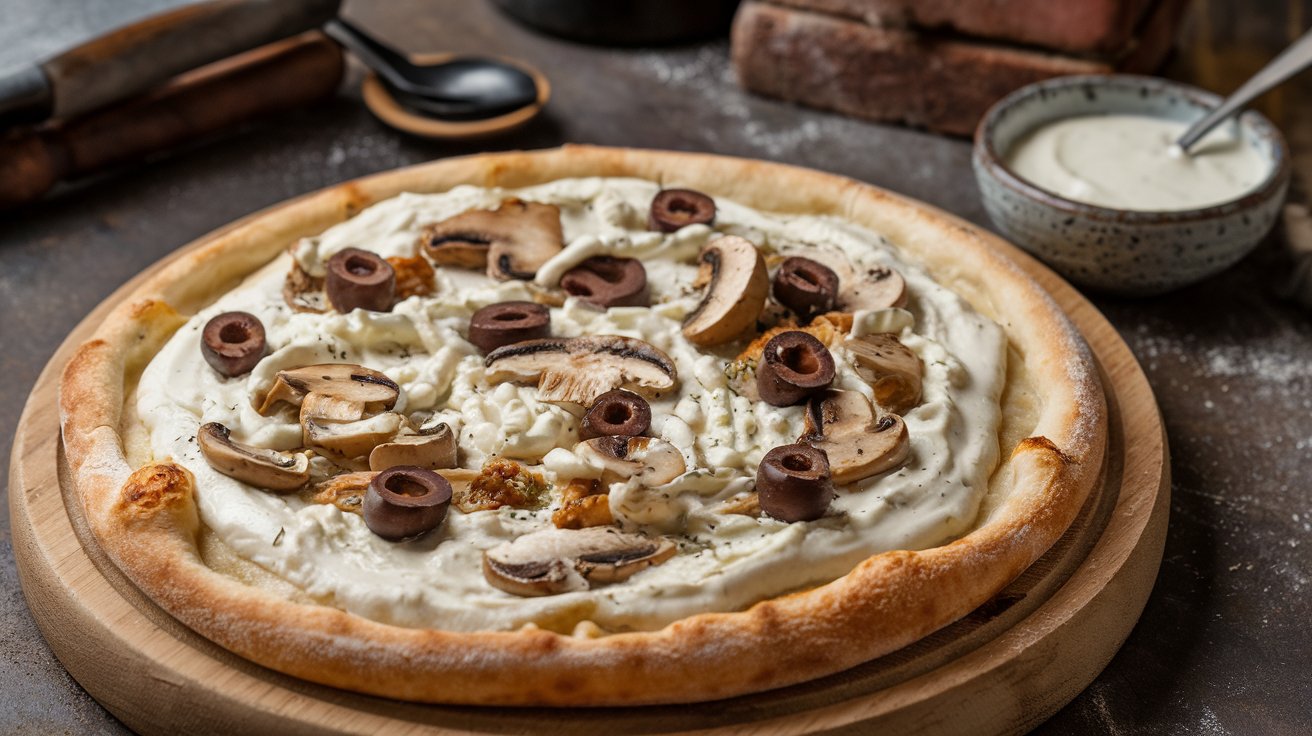
The most beloved white pizza topping combinations balance richness with fresh, bright elements that prevent the pizza from becoming too heavy. Spinach and ricotta create the iconic combination found on traditional New York white pizzas, with fresh spinach wilting perfectly during baking and ricotta dollops adding creamy pockets. Chicken and broccoli white pizza ranks as the most ordered white pizza variety in the United States according to 2026 industry data, with pre-cooked chicken breast pieces and lightly steamed broccoli florets distributed over the sauce. Mushroom lovers favor a combination of mixed mushrooms including cremini, shiitake, and oyster varieties sautéed with garlic before topping. Prosciutto and arugula creates a sophisticated option where thin prosciutto slices crisp during baking and fresh arugula is added immediately after removing from the oven for peppery contrast.
Gourmet and Unique Topping Ideas
Adventurous pizza makers can explore premium topping combinations that elevate white sauce pizza to fine dining status. Caramelized onions combined with Gorgonzola cheese and toasted walnuts create a sweet-savory profile with textural interest. Lobster or crab meat transforms white pizza into a luxurious seafood dish, particularly when finished with fresh chives and a squeeze of lemon. Fig jam with prosciutto and goat cheese offers a sweet and salty combination trending in upscale restaurants throughout 2026. Truffle oil drizzled over mushroom white pizza before serving adds earthy elegance, though a little goes a long way. Butternut squash with crispy sage leaves provides seasonal appeal during fall months, with roasted squash cubes adding sweetness that balances garlic’s sharpness. Pear slices with blue cheese and candied pecans create a dessert-like pizza that works as an appetizer or unconventional sweet course.
Vegetable Toppings That Complement White Sauce
Fresh and roasted vegetables bring color, nutrition, and textural variety to white sauce pizza while maintaining flavor balance. Roasted red peppers add sweetness and visual appeal, particularly when paired with fresh basil and mozzarella. Artichoke hearts marinated or plain contribute Mediterranean flair with their tender texture and subtle tanginess. Zucchini and yellow squash sliced thinly and arranged in overlapping patterns create an elegant presentation while remaining light. Sun-dried tomatoes reintroduce tomato flavor without the acidity of red sauce, working especially well with goat cheese and fresh thyme. Fresh tomato slices can top white pizza when laid on after baking to maintain their fresh character. Caramelized fennel with black olives offers anise notes and briny contrast. According to 2026 consumer preferences, vegetable-forward white pizzas have increased in popularity by 42% as more Americans seek plant-rich diets without sacrificing flavor or satisfaction.
Using White Sauce on Pizza Dough Properly
Proper application technique ensures your white sauce for pizza enhances rather than compromises the crust quality, preventing common issues like sogginess or uneven coverage that can ruin otherwise excellent pizza.
Sauce Application and Coverage Tips
Apply white sauce for pizza using the back of a ladle or large spoon, starting from the center and working outward in a spiral pattern. Leave a half-inch border around the edges to allow the crust to rise and brown properly, creating the traditional pizza cornicione. Use approximately one-third to one-half cup of sauce for a 12-inch pizza, less than you might use with tomato sauce since white sauce is richer and more concentrated. Spreading too much sauce creates a heavy, greasy pizza that won’t crisp properly. For even coverage, tilt and rotate the pizza while spreading, allowing gravity to help distribute the sauce naturally. Par-baking the crust for 3-4 minutes before adding sauce prevents moisture absorption, a technique particularly helpful with high-moisture white sauces. This extra step creates a moisture barrier that keeps the crust crispy even under creamy toppings.
Preventing Soggy Crust Issues
The high moisture content in white sauce for pizza makes crust sogginess a common challenge that proper techniques can easily prevent. Ensure your pizza dough is at room temperature before topping, as cold dough doesn’t cook as efficiently and absorbs more moisture. Brushing the dough lightly with olive oil before adding sauce creates a protective layer that repels moisture while adding flavor. Bake white pizza at high temperatures between 475-500°F to promote rapid moisture evaporation and quick crust setting. Using a preheated pizza stone or steel transfers heat efficiently to the bottom crust, creating immediate crisping action. Avoid overloading with wet toppings like fresh tomatoes or mushrooms without pre-cooking them to release excess moisture. If using refrigerated or frozen sauce, allow it to come to room temperature before spreading, as cold sauce lowers oven temperature and extends cooking time, increasing moisture absorption.
Store Bought White Sauce for Pizza Options
Convenience-seeking home cooks can find quality store bought white sauce for pizza that delivers excellent results without preparation time, though understanding what to look for ensures the best possible product selection.
Commercial white pizza sauces have improved substantially by 2026, with specialty brands offering restaurant-quality products in grocery stores nationwide. Rao’s Alfredo Sauce works excellently as pizza sauce with its authentic Italian recipe and premium ingredients. Classico Four Cheese Alfredo provides a budget-friendly option with good consistency and flavor balance. Bertolli Alfredo with Aged Parmesan offers thicker texture ideal for pizza applications without additional thickening. Victoria White Linen Alfredo uses organic ingredients and maintains stability during high-temperature baking. When selecting store-bought sauce, check that cream appears as the first or second ingredient rather than water or milk, indicating higher quality and richness. Avoid sauces with excessive stabilizers like xanthan gum or modified food starch beyond small amounts, as these can create unpleasant texture when baked. Many specialty Italian markets now carry imported white pizza sauces specifically formulated for pizza rather than pasta, featuring thicker consistency and more concentrated garlic flavor.
White Sauce Pizza for Special Dietary Needs
Adapting white sauce for pizza to accommodate various dietary requirements allows everyone to enjoy this delicious style without compromising health goals or restrictions that have become increasingly important in 2026.
Lower Calorie White Pizza Options
Creating lighter versions of white sauce for pizza requires strategic ingredient substitutions that reduce calories and fat while maintaining satisfying flavor and texture. Replace heavy cream with a mixture of half low-fat milk and half Greek yogurt, which provides creaminess with significantly less fat and added protein. Neufchâtel cheese substitutes for cream cheese with one-third less fat while maintaining comparable texture. Use a smaller quantity of full-flavored Pecorino Romano instead of larger amounts of milder Parmesan to achieve cheesy taste with less cheese overall. Incorporating pureed white beans or cauliflower into the sauce base adds body and creaminess while dramatically reducing calorie density. A tablespoon of cornstarch whisked into milk creates thickness without added fat. These modifications can reduce calories by 40-50% compared to traditional recipes while still delivering the creamy, indulgent experience that makes white pizza appealing.
White Pizza Considerations for Diabetics
Individuals managing diabetes can enjoy white sauce for pizza with thoughtful modifications that minimize blood sugar impact while maximizing nutritional value. Choose whole wheat or cauliflower pizza crust to reduce refined carbohydrates and add fiber that slows glucose absorption. The protein and fat in white sauce actually help moderate blood sugar response compared to high-carbohydrate red sauce, making white pizza a reasonable option when portioned appropriately. Load the pizza with non-starchy vegetables like spinach, mushrooms, broccoli, and peppers to increase volume and nutrients without excessive carbohydrates. Add lean proteins such as chicken, turkey, or seafood to further slow digestion and improve satiety. Use Greek yogurt-based white sauce for added protein and reduced fat. According to 2026 nutritional guidance, a slice of vegetable-loaded white pizza on whole wheat crust with modified sauce contains approximately 35-40 grams of carbohydrates compared to 50-60 grams in traditional pizza. Pair pizza with a large salad to increase fiber intake and reduce the overall glycemic impact of the meal.
Storage and Shelf Life of White Pizza Sauce
Proper storage extends the usability of white sauce for pizza, allowing you to prepare batches in advance for convenient weeknight pizza making while maintaining food safety standards critical with dairy products.
Freshly made white pizza sauce stores in an airtight container in the refrigerator for 3-4 days maximum due to the dairy content that spoils relatively quickly. Cool the sauce completely before refrigerating to prevent condensation that encourages bacterial growth and off flavors. Stir the sauce before using as separation naturally occurs during storage, with fat rising to the surface. For longer storage, white sauce for pizza freezes successfully for up to three months when properly packaged. Pour cooled sauce into freezer-safe containers or heavy-duty freezer bags, removing as much air as possible to prevent freezer burn. Leave half an inch of headspace to allow for expansion during freezing. Label containers with the date and contents for easy identification. Thaw frozen white sauce overnight in the refrigerator rather than at room temperature to maintain food safety. Gently reheat thawed sauce in a small saucepan over low heat, whisking frequently to restore smooth consistency. The sauce may appear slightly separated after freezing but will recombine when stirred and gently heated. Never refreeze previously frozen white sauce as this degrades quality and creates potential food safety issues.
Difference Between Red and White Pizza Explained
Understanding the fundamental distinctions between red and white pizza helps home cooks make informed decisions about which style suits particular occasions, taste preferences, and topping selections in 2026’s diverse pizza landscape.
Red pizza sauce uses tomatoes as the primary base, creating an acidic, slightly sweet foundation with bright, tangy flavor that has defined pizza for centuries. White pizza eliminates tomatoes entirely, relying on dairy products like cream, butter, and cheese to create a rich, savory, and mild foundation that doesn’t compete with delicate toppings. The flavor profile differences extend to toppings that work best with each style: red sauce complements bold flavors like pepperoni, sausage, and onions, while white sauce pairs better with subtle ingredients like chicken, seafood, and tender vegetables. Nutritionally, white pizza typically contains more calories and fat per slice due to the cream and cheese base, while red pizza provides more vitamins A and C from tomatoes along with the antioxidant lycopene. Red sauce requires minimal preparation beyond opening a jar, while quality white sauce benefits from fresh preparation. According to 2026 consumer data, red pizza accounts for approximately 82% of pizza orders nationwide, while white pizza has grown to represent 12% of orders, up from 8% in 2020, indicating increasing appreciation for this elegant alternative. Regional preferences vary significantly, with white pizza much more popular in northeastern states, particularly New York and Connecticut, compared to other regions.
Related video about white sauce for pizza
This video complements the article information with a practical visual demonstration.
Your questions answered
What is the white sauce on pizza made of?
The white sauce on pizza is typically made of butter, heavy cream, garlic, and Parmesan cheese, creating a rich and creamy base. Traditional recipes combine three tablespoons of butter melted with minced garlic, then add one cup of heavy cream and half a cup of grated Parmesan cheese. Some variations use ricotta cheese, cream cheese, or a combination of cheeses for different textures and flavors. Seasonings like salt, white pepper, and Italian herbs complete the sauce. This dairy-based sauce provides a mild, savory foundation that complements delicate toppings like chicken, seafood, and vegetables better than acidic tomato sauce.
How to make white sauce with 3 ingredients?
A simple three-ingredient white sauce for pizza combines one cup of ricotta cheese, one-quarter cup of grated Parmesan cheese, and two to three cloves of minced garlic. Mix all ingredients in a bowl until smooth and well combined, adding a tablespoon of olive oil if needed for spreadable consistency. This no-cook method takes less than five minutes and delivers authentic flavor without requiring stovetop preparation. The ricotta provides creamy body, Parmesan adds salty depth, and garlic contributes essential aromatic character. Spread this mixture directly onto pizza dough and top as desired. This simplified approach works exceptionally well for weeknight pizza making when time is limited.
Can I make white pizza sauce dairy-free?
Yes, dairy-free white pizza sauce is easily achievable using plant-based ingredients that replicate the creamy texture and rich flavor of traditional versions. The most successful method uses soaked cashews blended with almond milk until silky smooth, then flavored with sautéed garlic, nutritional yeast for cheesy taste, and seasonings. Alternatively, blend steamed cauliflower with vegetable broth and tahini to create a creamy, neutral base that accepts garlic and herbs beautifully. Commercial dairy-free Alfredo sauces from brands like Kite Hill and Primal Kitchen also work well as pizza sauce. By 2026, these plant-based alternatives have improved dramatically, offering textures nearly identical to dairy versions while accommodating lactose intolerance, vegan diets, and dairy allergies.
Where can I find white sauce for pizza near me?
You can find white sauce for pizza at most major grocery stores in the pasta sauce aisle, with Alfredo sauce serving as an excellent pizza base. Stores like Whole Foods, Trader Joe’s, and Wegmans carry specialty white pizza sauces specifically formulated for pizza applications. Italian specialty markets and gourmet food shops often stock imported white pizza sauces with authentic recipes. Online retailers including Amazon offer extensive selections with home delivery convenience. Many pizzerias also sell their house-made white sauce by the container for customers who want to recreate restaurant pizza at home. If you prefer fresh preparation, pizza supply stores sell professional-grade ingredients, and farmers markets often feature artisan sauce makers offering small-batch white pizza sauces with premium, locally sourced ingredients throughout 2026.
What are the best toppings for white sauce pizza?
The best toppings for white sauce pizza include spinach, chicken, broccoli, mushrooms, and ricotta cheese, which complement the creamy base without overwhelming its delicate flavor. Garlic lovers appreciate roasted garlic cloves or caramelized onions that enhance the sauce’s savory character. Seafood options like shrimp, crab, or lobster create luxurious combinations, while prosciutto with arugula offers sophisticated balance. Vegetable combinations such as artichoke hearts with sun-dried tomatoes or roasted red peppers with goat cheese work beautifully. Fresh herbs like basil, oregano, or thyme added after baking brighten the richness. According to 2026 trends, the most popular white pizza combination remains chicken and broccoli, ordered 34% more frequently than other variations across U.S. pizzerias.
What is white pizza called?
White pizza is called Pizza Bianca in Italian, meaning literally white pizza, referring to any pizza made without red tomato sauce. In different regions, it may be called by various names: New Haven, Connecticut claims the original American white clam pizza, while New York-style white pizza typically features ricotta and mozzarella. Some restaurants call it Alfredo pizza when using cream-based sauce, or specify the main topping like White Chicken Pizza or Spinach White Pizza. The term Pizza Bianca can also refer to a flatbread style popular in Rome that contains no sauce at all, just olive oil and salt. Regardless of the name, the defining characteristic remains the absence of tomato-based red sauce, making the cheese and other toppings the stars of the dish.
| White Sauce Type | Key Ingredients | Best Use Case |
|---|---|---|
| Classic Cream-Based | Heavy cream, butter, Parmesan, garlic | Rich, indulgent pizzas with chicken or seafood |
| Ricotta Style | Ricotta cheese, Parmesan, garlic, olive oil | Traditional Italian-style, lighter texture |
| Alfredo Style | Heavy cream, butter, Parmesan, nutmeg | Restaurant-quality, works with bold toppings |
| Dairy-Free Cashew | Cashews, almond milk, nutritional yeast | Vegan diets, lactose intolerance |
| Light Greek Yogurt | Greek yogurt, milk, Parmesan, garlic | Lower calorie option, high protein |