San Marzano pizza sauce represents the gold standard for authentic Italian pizza, made from the prized DOP-certified tomatoes grown in volcanic soil near Mount Vesuvius. This comprehensive guide explores everything from traditional no-cook recipes to store-bought options, helping you create restaurant-quality pizza sauce at home. Whether you’re seeking the perfect balance of sweetness and acidity or wondering where to buy authentic San Marzano products, you’ll discover professional techniques and insider knowledge to elevate your pizza game in 2026.
What Makes San Marzano Tomatoes Special for Pizza Sauce
San Marzano tomatoes are elongated plum tomatoes with DOP certification from the Campania region of Italy, specifically the Agro Sarnese-Nocerino area. These tomatoes thrive in volcanic soil enriched by Mount Vesuvius, creating a unique mineral composition that produces exceptional sweetness and low acidity. Authentic San Marzano tomatoes contain significantly fewer seeds and higher flesh content than standard Roma tomatoes, resulting in a thicker, more concentrated sauce with less water content.
The authentic San Marzano designation requires strict DOP certification, which verifies the tomatoes were grown in the designated geographical area and processed according to traditional methods. In 2026, only about 5% of canned tomatoes labeled as San Marzano in United States stores carry genuine certification, making label verification essential. These tomatoes command premium prices ranging from $4.99 to $8.99 per 28-ounce can, compared to $1.99-$2.99 for standard Italian tomatoes, but the flavor difference justifies the investment for serious pizza enthusiasts.
Traditional San Marzano Pizza Sauce Recipe
Creating authentic San Marzano pizza sauce requires minimal ingredients to showcase the tomatoes’ natural flavor profile. The traditional Neapolitan approach uses uncooked sauce, allowing the tomato’s fresh taste to shine through during baking. This method has dominated pizzerias across Italy for centuries and gained renewed popularity in United States artisan pizza restaurants throughout 2025-2026.
Essential Ingredients for Authentic Sauce
The foundation begins with one 28-ounce can of certified San Marzano whole peeled tomatoes, which provides enough sauce for three to four 12-inch pizzas. Add two tablespoons of extra virgin olive oil, preferably cold-pressed Italian varieties with fruity undertones that complement the tomato sweetness. Include one to two fresh garlic cloves, minced or crushed based on intensity preference, plus one teaspoon of fine sea salt and half a teaspoon of freshly ground black pepper. Fresh basil leaves add aromatic complexity, though traditional recipes debate whether basil belongs in the sauce or as a post-baking garnish. Optional additions include a pinch of dried oregano for earthiness and one-quarter teaspoon of red pepper flakes for subtle heat, though purists argue these modifications stray from authentic Neapolitan preparation.
Step-by-Step Preparation Method
Begin by draining the San Marzano tomatoes in a fine-mesh strainer, reserving the liquid for adjusting consistency later. Hand-crush the tomatoes in a large bowl to achieve a chunky texture with small pieces, which creates better distribution across pizza dough than pureed sauce. The hand-crushing technique prevents over-processing that can introduce bitterness from broken seeds. Mix in the olive oil, garlic, salt, and pepper, stirring gently to combine without creating foam. Allow the sauce to rest for 15-20 minutes at room temperature, enabling flavors to meld while the salt draws out additional natural tomato juices. If the sauce appears too thick, add reserved tomato liquid one tablespoon at a time until reaching spreadable consistency. This no-cook method preserves bright, fresh tomato flavor that intensifies during the high-heat baking process, typically at 500-550°F in home ovens or 800-900°F in professional pizza ovens.
Cooked San Marzano Pizza Sauce Variation
While traditional Neapolitan style favors uncooked sauce, many American pizzerias prefer simmered San Marzano sauce for deeper, more concentrated flavors. This approach became particularly popular in New York-style and Chicago pizzerias, where cooking reduces moisture content and creates a sauce that withstands longer baking times without making crusts soggy. The cooking method also mellows garlic intensity and allows better integration of dried herbs.
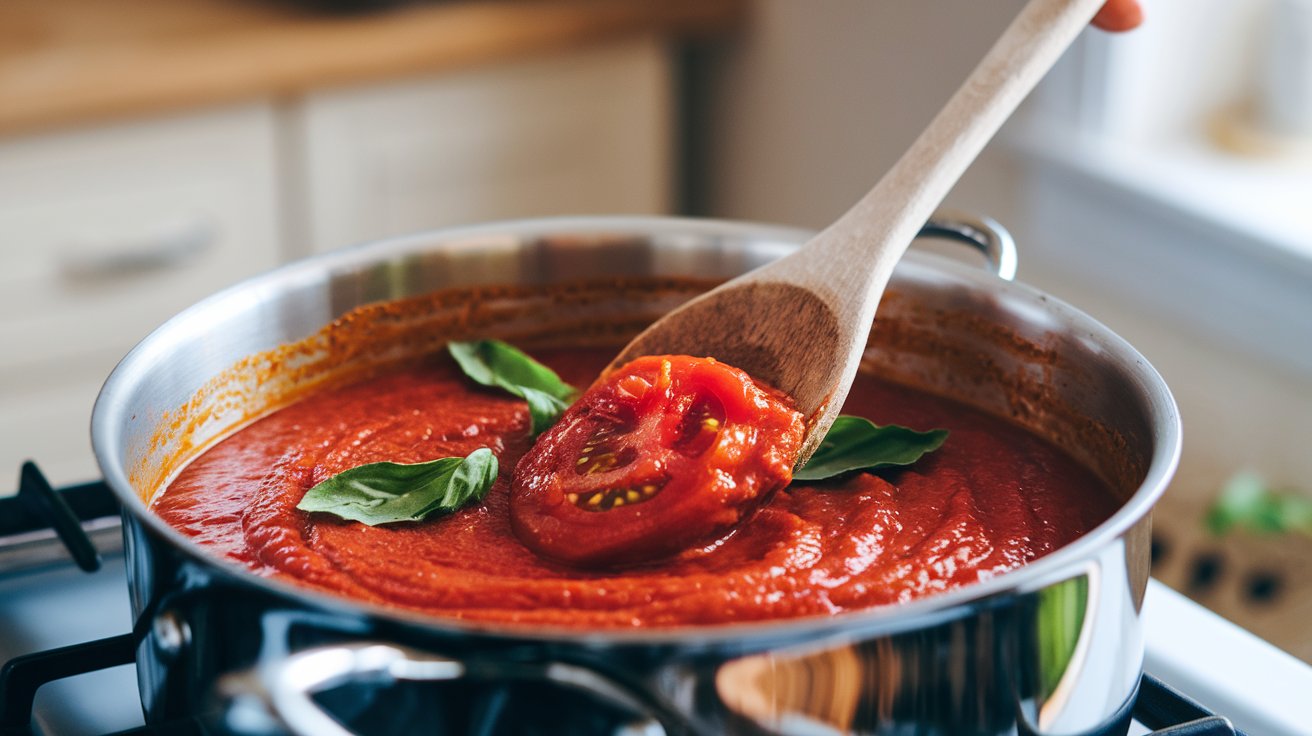
To prepare cooked sauce, heat three tablespoons of olive oil in a heavy-bottomed saucepan over medium heat. Sauté three minced garlic cloves for 60-90 seconds until fragrant but not browned, as burnt garlic introduces bitterness. Add the hand-crushed San Marzano tomatoes, one teaspoon of salt, half a teaspoon of dried oregano, and a quarter teaspoon of sugar to balance acidity. Simmer uncovered for 20-25 minutes, stirring occasionally to prevent scorching, until the sauce reduces by approximately one-third and thickens noticeably. The finished sauce should coat the back of a spoon without running off immediately. This method produces approximately two cups of sauce with concentrated umami richness that develops during the cooking process. Allow the sauce to cool completely before using, as hot sauce can activate yeast in pizza dough prematurely.
Where to Buy San Marzano Pizza Sauce in 2026
Finding authentic San Marzano products in the United States requires knowing where to look and how to verify certification. The market has expanded significantly in 2026, with both whole tomatoes for homemade sauce and ready-made San Marzano pizza sauces available through multiple retail channels.
Retail Stores and Supermarket Options
Major retailers including Walmart, Target, and Whole Foods stock San Marzano tomatoes in their Italian foods sections, with prices ranging from $4.49 to $7.99 per 28-ounce can depending on brand and certification authenticity. Walmart’s Great Value brand offers Italian-style tomatoes at $2.48 per can, though these lack official DOP certification. Cento and Mutti brands provide certified options widely available at mainstream supermarkets, typically priced at $5.99-$6.99. Specialty grocers like Trader Joe’s offer their house-brand San Marzano-style tomatoes at $2.99, representing excellent value despite unofficial certification status. Italian specialty stores and gourmet markets carry premium brands such as La Valle and Strianese, which command $7.99-$8.99 but deliver the most authentic flavor profiles according to professional chef surveys conducted in early 2026. Ready-made San Marzano pizza sauces appear less frequently, with Rao’s Homemade and Don Pepino brands offering jarred options at $6.99-$8.99 for 24-ounce containers at stores like Wegmans and Harris Teeter.
Online Shopping and Bulk Purchase Options
E-commerce platforms provide convenient access to certified San Marzano products with competitive pricing through bulk purchases. Amazon offers six-packs of 28-ounce cans from brands like Cento for $34.99-$39.99 with Prime shipping, reducing per-can costs to $5.83-$6.67. Italian specialty importers including Gustiamo and Market Hall Foods sell directly through their websites, offering multi-can packages with guaranteed DOP certification and detailed origin information. Membership warehouses like Costco stock San Marzano tomatoes seasonally, typically offering three-packs at $12.99-$14.99, though availability varies by location and season. Thrive Market provides organic San Marzano options to members at 25-30% below retail pricing, with 28-ounce cans averaging $4.99. For restaurant-quality bulk purchases, restaurant supply companies like WebstaurantStore sell cases of twelve 28-ounce cans at $55.99-$69.99, ideal for serious home pizza makers or small catering operations. Subscription services including Mouth.com and specialty food clubs offer curated Italian ingredient boxes featuring San Marzano tomatoes alongside complementary pizza-making supplies, typically priced at $49.99-$79.99 monthly.
How to Identify Authentic San Marzano Tomatoes
The explosion of counterfeit San Marzano products requires consumers to develop verification skills. Studies estimate that up to 95% of cans labeled San Marzano in the United States lack proper certification, making label literacy essential for quality assurance and authentic flavor.
Genuine San Marzano tomatoes display the official DOP certification seal prominently on the label, featuring a red and yellow European Union quality designation. The label must include text stating Pomodoro San Marzano dell’Agro Sarnese-Nocerino and list the specific geographical indication. Look for the Consorzio San Marzano certification stamp, a consortium mark verifying authenticity. Authentic cans identify the specific producer’s name and location within the designated growing region, not just Italy as country of origin. Price serves as a reliable indicator, with genuine products rarely selling below $4.50 per 28-ounce can in 2026. The tomatoes themselves should appear elongated with pointed ends, measuring approximately three inches long, and display a deep red color without orange or yellow tinges. Premium brands include numerical codes traceable to specific farms and harvest dates, providing transparency serious competitors avoid. When opening authentic cans, expect thicker tomato flesh with fewer seeds and minimal watery liquid, characteristics that inferior tomatoes cannot replicate regardless of labeling claims.
Best Store-Bought San Marzano Pizza Sauces
For convenience-seeking home cooks, pre-made San Marzano pizza sauces offer time-saving alternatives without sacrificing quality. The market expanded significantly in 2025-2026 as consumer demand for authentic Italian ingredients grew across the United States.
Rao’s Homemade Pizza Sauce ranks as the highest-rated commercial option according to aggregated consumer reviews and professional taste tests, scoring 4.7 out of 5 stars across major retail platforms. This sauce uses imported Italian tomatoes with minimal ingredients, priced at $7.99 for 13 ounces at most supermarkets. Don Pepino Pizza Sauce provides excellent value at $4.49 for 14 ounces, featuring a balanced flavor profile that works well for both New York and Neapolitan styles. Victoria Marinara Sauce, while marketed as pasta sauce, contains only San Marzano tomatoes, olive oil, garlic, and herbs, making it equally suitable for pizza applications at $5.99 for 24 ounces. Mutti Pizza Sauce imported from Italy delivers authentic taste at $6.49 for 14 ounces, though availability remains limited to specialty stores and online retailers. Carmelina San Marzano Pizza Sauce uses certified DOP tomatoes and sells for $5.99 per 14-ounce jar at retailers including Fresh Market and specialty Italian grocers. Reddit pizza communities in 2026 consistently recommend making sauce from whole canned San Marzano tomatoes rather than purchasing pre-made versions, citing superior freshness and customization potential, though convenience factors make jarred sauces practical for weeknight pizza preparation.
Using San Marzano Sauce for Different Pizza Styles
Each regional pizza style demands specific sauce application techniques to achieve authentic results. San Marzano sauce’s versatility allows adaptation across multiple pizza traditions while maintaining flavor integrity.
Neapolitan Pizza Application
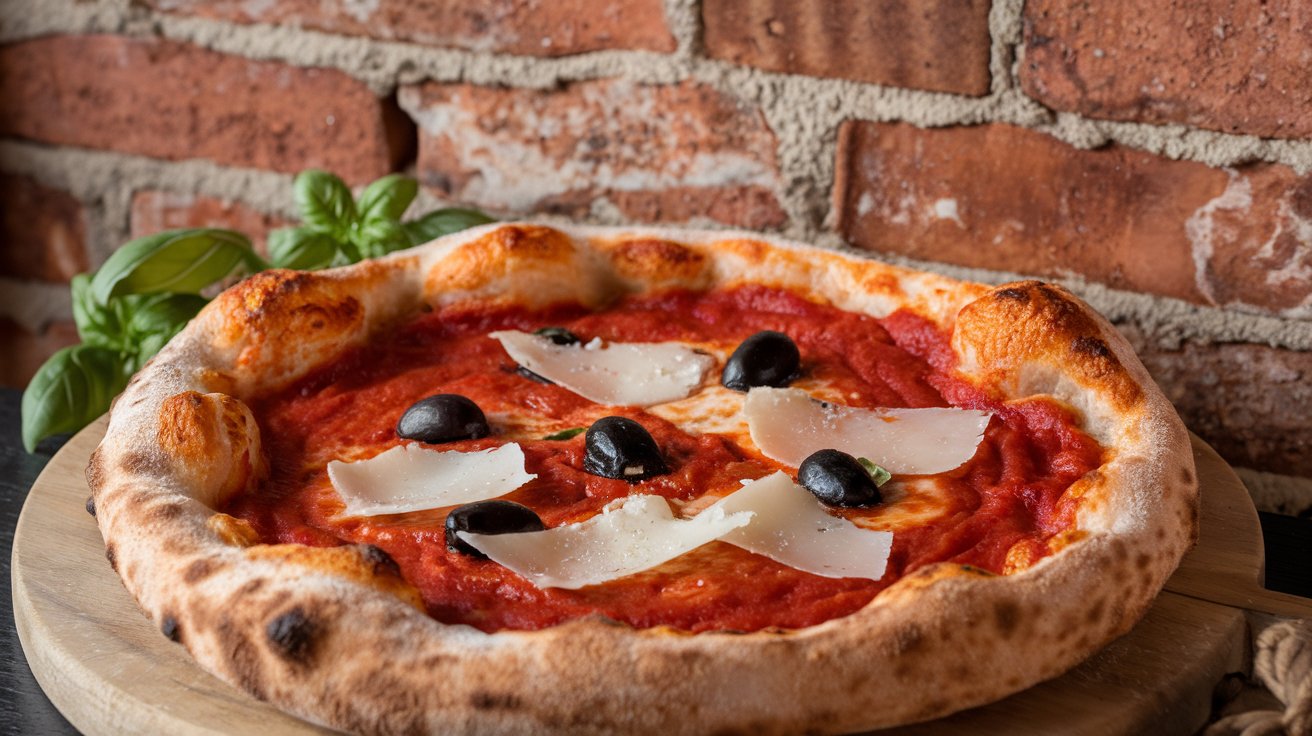
Traditional Neapolitan pizza requires minimal sauce application to comply with Associazione Verace Pizza Napoletana standards. Spread approximately three to four tablespoons of uncooked San Marzano sauce across a 12-inch stretched dough round, leaving a one-inch border for crust formation. Use a spiral pattern starting from the center, working outward with the back of a spoon to create thin, even coverage. The sauce should not pool or create thick spots that prevent proper dough cooking in the 90-second bake time at 800-900°F. Neapolitan protocol specifies sauce remains slightly chunky rather than pureed, allowing diners to identify individual tomato pieces. Fresh basil leaves go onto the pizza after sauce application but before mozzarella, ensuring herb oils infuse throughout during the brief cooking period. This style produces the characteristic leopard-spotted crust and slightly wet center that defines authentic Neapolitan pizza.
New York Style Pizza Sauce Method
New York-style pizza utilizes cooked San Marzano sauce with slightly heavier application than Neapolitan versions. Spread five to six tablespoons across a 16-inch hand-tossed round, extending sauce closer to edges while maintaining a half-inch crust border. The New York method favors smoother consistency achieved by pulsing crushed tomatoes three to four times in a food processor after initial hand-crushing. This creates better spreading characteristics for the larger diameter pies. Apply sauce before cheese in the traditional New York layering sequence, which allows sauce to partially cook into the dough during the 12-15 minute baking period at 500-550°F. The longer baking time requires cooked sauce to prevent excess moisture from creating soggy centers. Even distribution proves critical for the characteristic foldability of New York slices, with consistent sauce coverage preventing dry spots that crack when folded. The cooked San Marzano sauce develops deeper flavors during baking that complement the higher fat content of low-moisture mozzarella preferred in this regional style.
San Marzano Pizza Sauce for Special Dietary Needs
The natural simplicity of San Marzano pizza sauce makes it inherently suitable for various dietary restrictions, though specific health concerns require consideration of ingredients and preparation methods.
For GERD sufferers, San Marzano tomatoes offer lower acidity compared to standard varieties, with pH levels typically ranging from 4.6 to 4.9 versus 4.2 to 4.5 for conventional tomatoes. This reduced acidity makes San Marzano sauce less likely to trigger acid reflux symptoms. Adding a quarter teaspoon of baking soda during cooking further neutralizes acids without significantly altering flavor. Omitting garlic and reducing olive oil to one tablespoon creates a gentler sauce for sensitive digestive systems. The American College of Gastroenterology’s 2025 updated guidelines note that cooked tomato sauces generally cause less reflux than raw preparations due to chemical changes during heating that reduce acidity. GERD patients should avoid adding red pepper flakes or black pepper, as capsaicin and piperine compounds irritate esophageal tissues. Spreading sauce thinly rather than heavily reduces total acid exposure per slice.
San Marzano sauce naturally qualifies as vegan, gluten-free, and whole30-compliant when prepared with basic ingredients. Low-sodium versions substitute salt with potassium chloride or rely solely on the tomatoes’ natural sodium content, approximately 120mg per half-cup serving. Keto dieters appreciate that San Marzano sauce contains only four to six grams of net carbohydrates per quarter-cup serving, fitting easily into daily macronutrient targets when paired with cauliflower or almond flour pizza crusts. The sauce provides significant lycopene content, with 23-30mg per cup of cooked sauce, an antioxidant associated with reduced cardiovascular disease risk in multiple 2024-2025 clinical studies. Individuals following low-FODMAP protocols should omit garlic and substitute garlic-infused olive oil to maintain flavor while avoiding digestive triggers.
Storage and Shelf Life Guidelines
Proper storage techniques maximize San Marzano pizza sauce quality and safety while minimizing waste. Understanding shelf life parameters helps home cooks prepare appropriate quantities and maintain ingredient freshness.
Homemade uncooked San Marzano sauce stores refrigerated in airtight glass containers for three to four days, maintaining optimal flavor and texture throughout this period. The high acidity level prevents bacterial growth, though separation may occur as solids settle. Stir thoroughly before using refrigerated sauce. Cooked sauce extends to five to seven days under refrigeration due to heat treatment that reduces microbial content. Freezing preserves sauce for four to six months without significant flavor degradation, though texture becomes slightly more watery after thawing. Freeze in portion-sized containers or ice cube trays for convenient single-pizza quantities. Label containers with preparation dates to track freshness. Thaw frozen sauce overnight in the refrigerator rather than at room temperature to prevent bacterial proliferation.
Unopened canned San Marzano tomatoes maintain peak quality for 18-24 months when stored in cool, dark pantries away from heat sources and temperature fluctuations. The tin-lined cans prevent metallic taste development that occurs in standard aluminum cans after 12 months. Once opened, transfer unused tomatoes to glass or plastic containers and refrigerate for up to one week. Commercial jarred San Marzano pizza sauces typically last 12-18 months unopened, with specific dates printed on labels. After opening, refrigerate jarred sauces for 10-14 days, ensuring lids seal tightly between uses. Discard sauce showing mold growth, off odors, or color changes indicating spoilage, regardless of time elapsed since opening. The USDA’s 2026 food safety guidelines emphasize that acidic foods like tomato sauce rarely cause foodborne illness when properly refrigerated, making them lower-risk than many other perishable ingredients.
Cost Comparison: Homemade vs Store-Bought
Understanding the economic implications of sauce choices helps budget-conscious pizza makers optimize their spending while maintaining quality standards. Price analysis based on 2026 United States market data reveals significant differences.
A 28-ounce can of certified San Marzano tomatoes at $6.99 produces approximately 2.5 cups of finished uncooked sauce, sufficient for three 12-inch pizzas. Additional ingredients including olive oil, garlic, and seasonings add approximately $0.75, totaling $7.74 for three pizzas or $2.58 per pizza sauce cost. This compares to ready-made San Marzano pizza sauce at $7.99 for 13 ounces, providing enough for approximately two 12-inch pizzas, calculating to $4.00 per pizza. Homemade sauce therefore costs 35% less than premium jarred alternatives while offering superior freshness and customization control.
Budget alternatives using non-certified Italian tomatoes reduce costs substantially. Store-brand whole peeled tomatoes at $2.49 per 28-ounce can create sauce at approximately $1.08 per pizza, though flavor quality decreases noticeably according to blind taste tests conducted by food bloggers in 2025-2026. Mid-range commercial pizza sauces like Ragu or Hunt’s cost $2.99-$3.49 for 14 ounces, translating to $1.75-$2.00 per pizza but lacking the depth and sweetness of San Marzano-based products. For households making pizza weekly, choosing homemade San Marzano sauce over jarred alternatives saves approximately $73.84 annually while significantly improving flavor profiles. Time investment adds approximately 10 minutes for uncooked sauce preparation or 35 minutes for simmered versions, which many enthusiasts consider worthwhile for the quality improvement. Bulk purchasing of San Marzano tomatoes reduces per-can costs to $5.50-$5.75, further improving homemade economics.
Common Mistakes to Avoid
Even experienced home cooks make critical errors that compromise San Marzano sauce quality. Recognizing these pitfalls prevents disappointing results and ingredient waste.
Over-processing tomatoes ranks as the most common mistake destroying sauce texture. Using blenders or food processors at high speeds incorporates excessive air while breaking seeds that release bitter compounds. Hand-crushing or gentle pulsing maintains the chunky consistency that defines quality pizza sauce. Adding too much salt initially creates irreversibly over-seasoned sauce, as tomatoes release natural sodium during resting periods. Season conservatively, tasting and adjusting before final application. Using sauce directly from refrigeration prevents proper spreading and may cool dough surface temperature, affecting rise and texture. Allow refrigerated sauce to reach room temperature 30-45 minutes before pizza assembly.
Confusing pasta sauce with pizza sauce leads to incorrect consistency and flavoring. Pasta sauces typically include more liquid, sugar, and complex herb blends that overpower pizza’s simplicity. Pizza sauce requires thicker consistency with simpler seasoning to complement cheese and toppings without dominating. Applying sauce too heavily creates soggy crusts that never achieve crispy bottoms, particularly in home ovens lacking professional heat intensity. Use approximately one-quarter cup per 12-inch pizza as a maximum guideline. Failing to verify DOP certification results in purchasing inferior tomatoes at premium prices, as many products misleadingly suggest San Marzano origin without proper certification. Always check labels for official seals rather than relying on product names or packaging graphics. Finally, storing sauce in reactive metal containers introduces metallic flavors and potential aluminum exposure. Use glass or BPA-free plastic containers exclusively for optimal safety and taste preservation. These awareness points prevent the most frequent errors that separate disappointing homemade pizza from professional-quality results.
Related video about san marzano pizza sauce
This video complements the article information with a practical visual demonstration.
Everything you need to know about san marzano pizza sauce
Is San Marzano good for pizza sauce?
San Marzano tomatoes are exceptional for pizza sauce due to their naturally low acidity, high sugar content, and thick flesh with minimal seeds. The volcanic soil in their designated growing region near Mount Vesuvius creates a unique mineral composition that produces sweet, balanced flavor requiring minimal seasoning. Professional pizzerias worldwide prefer San Marzano tomatoes for authentic Neapolitan and artisan pizzas. The DOP certification ensures consistent quality and flavor profiles that standard tomatoes cannot match, making them worth the premium price for serious pizza enthusiasts.
What kind of pizza is best for GERD?
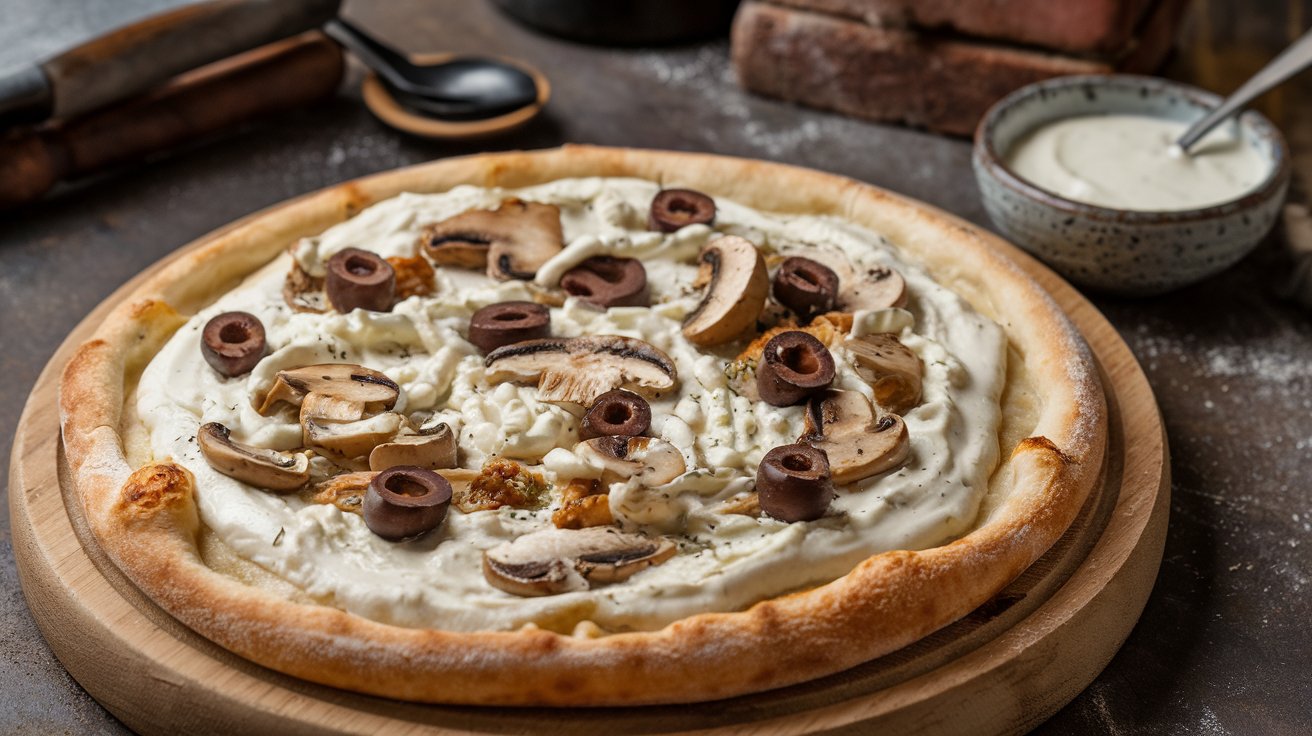
GERD sufferers should choose thin-crust pizza with San Marzano sauce, as these tomatoes contain lower acidity than conventional varieties. Avoid heavy cheese portions, garlic, onions, and spicy toppings that trigger reflux symptoms. White pizza without tomato sauce eliminates acid exposure entirely while still providing satisfying flavor. Cook pizza thoroughly to reduce moisture content, and eat smaller portions while sitting upright to minimize reflux risk. The American College of Gastroenterology recommends waiting three hours after eating before lying down to prevent nighttime symptoms.
What is the highest-rated pizza sauce?
Rao’s Homemade Pizza Sauce consistently ranks as the highest-rated commercial option, scoring 4.7 out of 5 stars across major retail platforms in 2026. It uses Italian tomatoes with minimal ingredients and no added sugar. For homemade preparations, freshly made San Marzano sauce using certified DOP tomatoes receives superior ratings from pizza enthusiasts and professional chefs. The combination of hand-crushed San Marzano tomatoes, extra virgin olive oil, fresh garlic, and sea salt creates unmatched flavor that surpasses any jarred alternative according to blind taste tests.
What is San Marzano sauce made of?
Traditional San Marzano pizza sauce contains only five to six ingredients: certified DOP San Marzano tomatoes, extra virgin olive oil, fresh garlic, sea salt, and black pepper. Some recipes include fresh basil leaves or dried oregano, though purists argue these modifications stray from authentic Neapolitan preparation. The uncooked version simply combines hand-crushed tomatoes with seasonings, while cooked variations simmer ingredients for 20-25 minutes to concentrate flavors. The simplicity allows the tomatoes’ natural sweetness and low acidity to dominate, creating the clean, bright flavor characteristic of authentic Italian pizza.
Can you freeze San Marzano pizza sauce?
San Marzano pizza sauce freezes excellently for four to six months without significant flavor loss. Portion sauce into single-use quantities using freezer-safe containers or ice cube trays for convenient thawing. Label containers with preparation dates and freeze immediately after making for optimal quality. Thaw frozen sauce overnight in the refrigerator rather than at room temperature to prevent bacterial growth. The texture becomes slightly more watery after freezing due to cell structure breakdown, but stirring before use redistributes liquids. This preservation method allows preparing large batches when certified San Marzano tomatoes are on sale.
Where can I buy authentic San Marzano tomatoes?
Authentic DOP-certified San Marzano tomatoes are available at Whole Foods, specialty Italian grocers, and online retailers including Amazon and Gustiamo. Major supermarkets like Walmart and Target stock brands such as Cento and Mutti with proper certification, typically priced at $5.99-$7.99 per 28-ounce can. Costco occasionally offers multi-packs at reduced per-unit costs. Always verify the presence of official DOP certification seals and Consorzio San Marzano stamps on labels, as many products claim San Marzano origin without proper certification. Italian specialty importers provide the most reliable authentication and detailed origin information for discerning buyers.
| Key Aspect | Important Details | Benefit |
|---|---|---|
| DOP Certification | Official seal verifying tomatoes from Campania region near Mount Vesuvius with traceable origin | Guarantees authentic flavor, sweetness, and low acidity unique to volcanic soil |
| No-Cook Method | Hand-crushed tomatoes with olive oil, garlic, and salt; rests 15-20 minutes before use | Preserves bright, fresh flavor; ideal for high-heat Neapolitan-style pizza |
| Cooked Variation | Simmer 20-25 minutes to reduce by one-third; better for New York-style pizza | Concentrates flavors and reduces moisture for longer baking times |
| Storage Duration | Refrigerate 3-7 days depending on preparation; freeze 4-6 months in portions | Maintains quality while allowing batch preparation and cost savings |
| Cost Efficiency | Homemade costs $2.58 per pizza vs. $4.00 for jarred premium sauce | 35% savings with superior freshness and customization control |
| Retail Availability | Whole Foods, Amazon, specialty stores; Cento and Mutti brands at $5.99-$7.99 | Wide accessibility with verification options for authentic certification |
| GERD Compatibility | pH 4.6-4.9 vs. 4.2-4.5 for standard tomatoes; naturally lower acidity | Reduced acid reflux triggers while maintaining authentic pizza flavor |