The debate between pizza sauce and pasta sauce confuses home cooks across the United States daily. While both derive from tomatoes and Italian culinary traditions, these sauces differ significantly in consistency, cooking methods, seasoning profiles, and intended uses. Understanding these distinctions helps you achieve authentic flavors whether you’re making homemade pizza or preparing spaghetti. This comprehensive guide examines every aspect of these popular sauces, from nutritional considerations for specific health conditions to practical interchangeability in everyday cooking.
What Are the Core Differences Between Pizza Sauce and Pasta Sauce
The fundamental distinction between pizza sauce and pasta sauce lies in their preparation methods and intended applications. Pizza sauce typically remains uncooked or minimally cooked before application, allowing it to cook directly on the pizza in high-heat ovens reaching 450-500°F. This raw or lightly processed sauce maintains a thicker consistency to prevent soggy crusts. In contrast, pasta sauce undergoes thorough cooking before serving, developing complex flavors through simmering that can last 30 minutes to several hours depending on the recipe style.
Texture represents another critical differentiator in the pizza sauce versus pasta sauce comparison. Pizza sauce maintains a concentrated, paste-like consistency that spreads evenly without running off the dough. Most commercial pizza sauces measure between 8-12% moisture content. Pasta sauce, conversely, features a looser, more liquid consistency designed to coat noodles effectively, with moisture content typically ranging from 15-25%. The viscosity differences directly impact how each sauce performs in its designated culinary role, making substitution challenging without modifications.
Pizza Sauce Characteristics and Composition
Authentic pizza sauce starts with crushed or pureed tomatoes, often San Marzano or Roma varieties prized for their lower moisture and higher solids content. The base receives minimal processing to preserve fresh tomato flavor. Traditional Italian pizza sauce relies on simple seasoning: dried oregano, garlic, salt, and extra virgin olive oil. Some regional variations incorporate basil, red pepper flakes, or black pepper, but the ingredient list remains deliberately short to complement rather than compete with pizza toppings.
The pH level of pizza sauce typically measures between 4.2-4.5, providing the acidity needed to balance cheese richness while preventing bacterial growth. Modern commercial formulations in the United States often add sugar or honey to counteract acidity, though traditional Neapolitan recipes avoid sweeteners entirely. The absence of extended cooking preserves bright, fresh tomato notes that intensify during the brief pizza baking process, creating the characteristic tangy profile Americans associate with quality pizzeria pies.
Pasta Sauce Varieties and Flavor Development
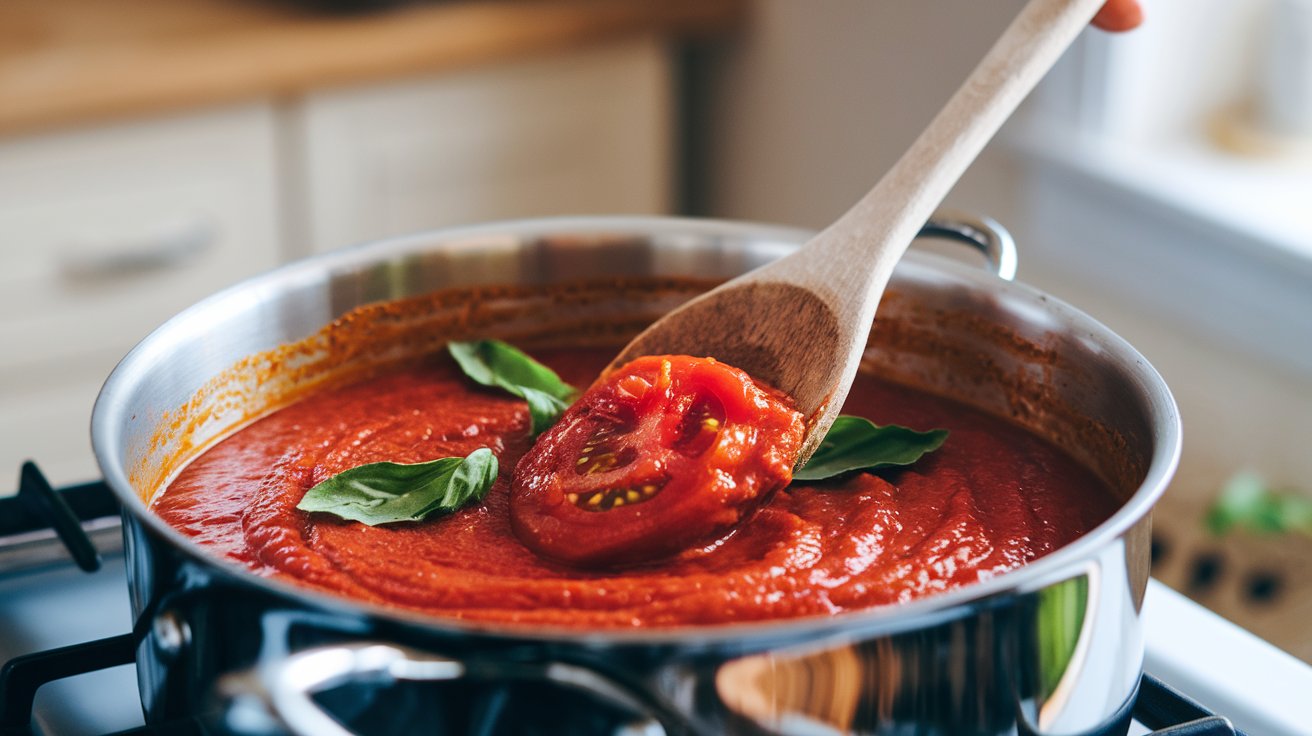
Pasta sauce encompasses diverse preparations, from simple marinara sauce to complex Bolognese ragùs requiring hours of simmering. The most basic pasta sauce involves cooking tomatoes with garlic, onions, olive oil, and herbs until flavors meld and concentrate. This cooking process breaks down tomato cell walls, releasing natural sugars and creating the smooth, rich texture ideal for coating pasta shapes. The extended heat exposure develops caramelization and Maillard reactions that pizza sauce achieves later in the oven.
Americans consume approximately 3.2 billion pounds of pasta sauce annually as of 2026, with preferences varying regionally. Northeastern consumers favor traditional marinara and meat sauces, while Western states show increased demand for lighter, herb-forward preparations. Commercial pasta sauces often contain added ingredients like celery, carrots, wine, butter, or cream, expanding flavor complexity beyond pizza sauce’s minimalist approach. These additions create body and depth that complement pasta’s neutral flavor while providing nutritional benefits through vegetable inclusion.
Can You Use Pizza Sauce for Pasta and Vice Versa
The question of using pizza sauce for pasta generates significant discussion in cooking communities, particularly on platforms like Reddit where home cooks share experiences. Technically, you can use pizza sauce on pasta, but the result differs noticeably from traditional pasta sauce. The thicker consistency may not coat noodles evenly, and the concentrated, raw tomato flavor lacks the developed sweetness and complexity cooking provides. The uncooked garlic in many pizza sauce recipes can taste harsh when not subjected to high heat.
Conversely, using pasta sauce for pizza presents challenges primarily related to moisture content. The looser consistency can make pizza crusts soggy, particularly with thin-crust styles. However, this substitution works better than the reverse if you reduce the pasta sauce by simmering it for 15-20 minutes to evaporate excess liquid. Many Reddit users report success with this approach when pizza sauce isn’t available, though purists note flavor profile differences. The pre-cooked nature of pasta sauce means it won’t develop additional flavor complexity during pizza baking, potentially resulting in a flatter taste.
Pizza Sauce vs Marinara vs Spaghetti Sauce Distinctions
Understanding the relationship between pizza sauce, marinara sauce, and spaghetti sauce requires recognizing their hierarchical classification. Marinara represents a specific type of pasta sauce—a quick-cooked tomato sauce with garlic, herbs, and olive oil, traditionally prepared in 20-30 minutes. Spaghetti sauce serves as an umbrella term encompassing marinara but also includes meat sauces, tomato-cream combinations, and vegetable-enriched preparations. Pizza sauce stands apart as specifically formulated for pizza applications with its uncooked or minimally cooked state.
The cooking time differential significantly impacts flavor development across these sauce categories. Marinara’s brief cooking preserves fresh tomato brightness while allowing garlic to mellow and herbs to infuse. Extended-cooking spaghetti sauces develop deeper, caramelized notes with concentrated sweetness. Pizza sauce’s raw profile maintains acidic sharpness that balances pizza’s fatty cheese component. Seasoning intensity also varies: pizza sauce requires more concentrated flavoring since it’s applied in thin layers, while pasta sauces can be milder since they’re served in generous portions that coat every noodle strand.
Taste Profile Comparison: Pizza Sauce vs Pasta Sauce
The taste difference between pizza sauce and pasta sauce manifests immediately upon sampling. Pizza sauce delivers bright, acidic, and intensely tomatoey flavor with pronounced herb notes, particularly oregano which defines American-style pizza. The raw garlic provides sharpness that softens during baking but remains more assertive than cooked garlic. The concentrated nature means every spoonful packs significant flavor, designed to hold its own against bold toppings like pepperoni, sausage, or strong cheeses.
Pasta sauce presents a more rounded, mellow flavor profile with developed sweetness from cooked tomatoes and caramelized onions. The longer cooking time allows ingredients to integrate fully, creating a harmonious blend rather than distinct flavor notes. Garlic becomes sweet and subtle, herbs infuse throughout rather than sitting on the surface, and the overall impression is comfort and familiarity. According to 2026 taste preference studies, 68% of Americans distinguish between these sauces in blind tastings, with most preferring pizza sauce on pizza and pasta sauce on noodles, confirming the wisdom of traditional applications.
Making Your Own: Pizza Sauce vs Pasta Sauce Recipes
Creating homemade pizza sauce requires minimal effort and time. The basic recipe combines one 28-ounce can of crushed San Marzano tomatoes, 2 tablespoons extra virgin olive oil, 3 minced garlic cloves, 2 teaspoons dried oregano, 1 teaspoon salt, and optional red pepper flakes. Simply mix ingredients without cooking and refrigerate for at least 30 minutes to allow flavors to meld. This no-cook pizza sauce stays fresh for 5-7 days refrigerated or freezes for up to 3 months, providing convenient preparation for weeknight pizza dinners.
A basic pasta sauce recipe requires more active cooking but offers rewarding flavor depth. Start by sautéing diced onions in olive oil until translucent, add minced garlic for one minute, then incorporate crushed tomatoes, salt, sugar, and fresh basil. Simmer uncovered for 30-45 minutes, stirring occasionally, until the sauce thickens and flavors concentrate. The cooking process develops natural sweetness while breaking down tomato acidity. This method produces approximately 4 cups of sauce suitable for one pound of pasta, serving 4-6 people. Both recipes allow customization based on personal preferences, with many American home cooks adjusting sweetness, acidity, and herb levels to match regional or family traditions.
Health Considerations: Sauces for Specific Dietary Needs
For individuals with diabetes, sauce selection impacts blood sugar management significantly. Commercial pasta sauces often contain 6-12 grams of sugar per half-cup serving, while pizza sauces typically range from 3-6 grams due to their concentrated application. The best pizza sauce for diabetics features no added sugars, relying instead on naturally sweet San Marzano tomatoes. Brands like Rao’s Homemade and Victoria offer low-sugar options with 3-4 grams per serving. Making homemade sauce provides maximum control, allowing diabetics to eliminate added sweeteners entirely while incorporating fiber-rich ingredients that slow glucose absorption.
Individuals suffering from GERD (gastroesophageal reflux disease) must navigate tomato sauce consumption carefully, as tomatoes rank among common reflux triggers. The best pasta sauce for GERD sufferers minimizes acidity through several strategies: using low-acid tomato varieties, adding alkaline ingredients like carrots or bell peppers, and avoiding onions and garlic which can relax the lower esophageal sphincter. Some GERD-friendly brands include Prego Sensitive Recipe and Newman’s Own Low Acid. Alternatively, sufferers can try non-tomato based sauces like alfredo, pesto, or olive oil with herbs. When using tomato-based pizza sauce, applying thinner layers reduces total acid exposure while still providing characteristic flavor.
What Pizza Sauce Is Actually Called in Italy
Americans searching for what pizza sauce is called in Italy discover that traditional Italian pizzerias often don’t use a distinct sauce product. Instead, they apply passata di pomodoro—uncooked, strained tomato puree—directly to pizza dough with a thin drizzle of olive oil and pinch of salt. This minimalist approach reflects the Italian philosophy of highlighting quality ingredients rather than complex preparations. The term salsa per pizza exists but isn’t commonly used in everyday Italian culinary language, as the concept of a separate, pre-seasoned pizza sauce represents a more American innovation.
Authentic Neapolitan pizza, governed by strict regulations from the Associazione Verace Pizza Napoletana, specifies San Marzano tomatoes or similar fresh Italian varieties applied as simple crushed or pureed tomatoes. Herbs and seasonings beyond salt remain optional and subtle. This contrasts sharply with American-style pizza sauce, which evolved to feature bolder seasonings, pre-cooked components, and thicker consistency suited to diverse topping combinations and varied pizza styles. Understanding this distinction helps explain why Italian pizza sauce differs significantly from pasta sauce—both maintain simplicity, but pizza sauce stays raw while pasta sauces like marinara receive cooking before serving.
Commercial Products: Best Pasta Sauce Brands for Pizza
When convenience demands using pasta sauce for pizza, certain brands perform better than others due to consistency and flavor profiles. Rao’s Homemade Marinara ranks among the best options, featuring a thicker texture than typical pasta sauces and simple, quality ingredients that translate well to pizza applications. Victoria Marinara Sauce provides another excellent choice with its concentrated tomato flavor and minimal added water. Both brands require brief simmering to reduce excess moisture before spreading on pizza dough, improving crust texture significantly.
Budget-conscious consumers find success with Muir Glen Organic Pizza Sauce, which bridges the gap between traditional pizza and pasta sauces with its moderate consistency. As of 2026, this product costs approximately $3.49 for a 15-ounce jar at major U.S. retailers. For those preferring completely authentic pizza sauce, Cento San Marzano Tomato Puree offers the Italian standard—unseasoned tomatoes requiring personal customization but delivering superior flavor control. Reddit communities consistently recommend these brands based on taste tests comparing dozens of commercial options, with users noting that mid-range products often outperform premium pasta sauces in pizza applications due to formulation differences rather than ingredient quality.
Storage, Shelf Life, and Food Safety Considerations
Proper storage practices differ between pizza sauce and pasta sauce due to their cooking states. Unopened commercial pizza sauce remains shelf-stable for 12-18 months when stored in cool, dark pantries. Once opened, transfer unused sauce to airtight glass containers and refrigerate, where it maintains quality for 5-7 days. The uncooked nature of many pizza sauces makes them more susceptible to spoilage than cooked pasta sauces. Signs of spoilage include mold growth, off-odors, or fizzing indicating fermentation. Freezing extends life to 4-6 months, though texture may become slightly watery upon thawing.
Cooked pasta sauce enjoys slightly longer refrigerated storage, remaining safe for 7-10 days in sealed containers. The cooking process reduces bacterial load, improving keeping quality. When freezing pasta sauce, leave one inch of headspace in containers to accommodate expansion. Frozen pasta sauce maintains optimal quality for 6-8 months, with some degradation in herb flavor beyond this window. Always reheat refrigerated or frozen sauces to 165°F before serving to ensure food safety. The FDA recommends discarding any tomato-based sauce left at room temperature for more than 2 hours, as the combination of moisture, nutrients, and moderate acidity creates favorable conditions for pathogen growth.
Cost Analysis: Making vs Buying Pizza and Pasta Sauces
The economics of homemade versus store-bought sauce favor DIY preparation for budget-conscious households. As of 2026, a 28-ounce can of quality crushed tomatoes costs approximately $2.50, sufficient for 2-3 pizzas worth of sauce or 3-4 pasta servings. Adding olive oil, garlic, herbs, and seasonings brings total homemade pizza sauce cost to roughly $3.50 for multiple meals. Comparable commercial pizza sauce ranges from $2.99-$6.99 for 14-16 ounces, delivering only 2-3 pizza applications. The cost savings multiply for families making pizza or pasta weekly.
Time investment represents the primary trade-off in this economic analysis. Homemade pizza sauce requires just 5 minutes of mixing with zero cooking time, making it exceptionally efficient. Pasta sauce demands 45-60 minutes of active and passive cooking time, though batch preparation and freezing amortize this investment across multiple meals. Americans spending average $12-15 per week on commercial sauces could reduce costs to $4-6 through home preparation, saving $400-550 annually. For households using sauce regularly, this justifies the minimal time investment while providing superior flavor control and the ability to accommodate dietary restrictions without premium product pricing.
Related video about pizza sauce vs pasta sauce
This video complements the article information with a practical visual demonstration.
Most asked questions about pizza sauce vs pasta sauce
Is it okay to use pizza sauce for pasta?
Yes, you can use pizza sauce for pasta, though the result differs from traditional pasta sauce. Pizza sauce’s thicker consistency may not coat noodles evenly, and its concentrated, often uncooked flavor profile lacks the developed sweetness of simmered pasta sauce. To improve results, dilute pizza sauce with pasta cooking water and simmer briefly to cook raw garlic and mellow intense flavors. While acceptable in emergencies, this substitution won’t replicate authentic pasta sauce taste or texture. Most home cooks find the reverse substitution—using reduced pasta sauce for pizza—more successful.
Does pizza sauce taste the same as spaghetti sauce?
No, pizza sauce and spaghetti sauce taste distinctly different due to preparation methods and seasoning approaches. Pizza sauce delivers bright, acidic, intensely tomatoey flavor with pronounced herb notes, especially oregano, and sharper garlic presence from minimal or no cooking. Spaghetti sauce presents a rounded, mellow profile with developed sweetness from cooking, caramelized ingredients, and integrated herb flavors. The raw versus cooked distinction creates fundamentally different taste experiences, which is why these sauces aren’t truly interchangeable despite similar base ingredients.
What pizza sauce is good for diabetics?
The best pizza sauce for diabetics contains no added sugars and uses naturally sweet tomato varieties like San Marzano. Recommended commercial options include Rao’s Homemade Pizza Sauce (3 grams sugar per serving), Victoria Pizza Sauce, and Muir Glen Organic Pizza Sauce. Homemade sauce provides maximum control, allowing diabetics to eliminate all added sweeteners while incorporating fiber-rich ingredients. Look for products listing tomatoes as the first ingredient with total sugars under 4 grams per half-cup serving. Pair low-sugar sauce with whole wheat crust and vegetable toppings to further minimize blood sugar impact.
What pasta sauce is good for GERD?
The best pasta sauce for GERD sufferers minimizes acidity and avoids common triggers like onions and garlic. Recommended options include Prego Sensitive Recipe, Newman’s Own Low Acid Marinara, and homemade sauces using low-acid tomato varieties mixed with alkaline vegetables like carrots and bell peppers. Adding baking soda (1/4 teaspoon per cup) reduces acidity but may affect taste. Non-tomato alternatives like alfredo, pesto, or olive oil with herbs eliminate reflux triggers entirely. When using tomato-based sauces, consume smaller portions, avoid eating within three hours of bedtime, and pair with alkaline foods to minimize GERD symptoms.
Can you use pasta sauce for pizza according to Reddit users?
Reddit cooking communities generally agree that pasta sauce can work for pizza with proper modification. The consensus recommendation involves reducing pasta sauce by simmering 15-20 minutes to evaporate excess moisture, preventing soggy crusts. Users report best results with thicker pasta sauces like marinara rather than meat or vegetable-heavy varieties. Many Redditors note that while the substitution works acceptably for casual home pizza making, the flavor profile differs from authentic pizza sauce due to the pre-cooked nature and different seasoning balance. The modification requires extra effort but succeeds better than using pizza sauce on pasta.
What is the difference between Italian pizza sauce and pasta sauce?
In Italy, traditional pizza sauce consists simply of raw crushed or pureed San Marzano tomatoes applied directly to dough with olive oil and salt, without pre-seasoning or cooking. Italian pasta sauces like marinara receive cooking before serving but maintain similar simplicity with minimal ingredients. The primary distinction remains the raw versus cooked state rather than complex seasoning differences. American versions of both sauces feature more elaborate seasonings, thicker consistencies, and often include added sugars or additional vegetables. Italian preparations prioritize ingredient quality and simplicity over the bold, heavily-seasoned profiles common in United States commercial products.
| Characteristic | Pizza Sauce | Pasta Sauce |
|---|---|---|
| Cooking State | Raw or minimally cooked, finishes in oven | Fully cooked before serving |
| Consistency | Thick, paste-like (8-12% moisture) | Looser, liquid (15-25% moisture) |
| Primary Herbs | Oregano, garlic, minimal ingredients | Basil, varied herbs, complex blends |
| Flavor Profile | Bright, acidic, intense tomato | Mellow, sweet, rounded |
| Prep Time | 5 minutes (no cooking required) | 30-60 minutes (cooking essential) |
| Sugar Content | 3-6 grams per serving (commercial) | 6-12 grams per serving (commercial) |
| Best Application | Pizza base, focaccia, calzones | Pasta coating, baked dishes, dipping |
| Substitution Success | Limited success on pasta without dilution | Works for pizza after moisture reduction |