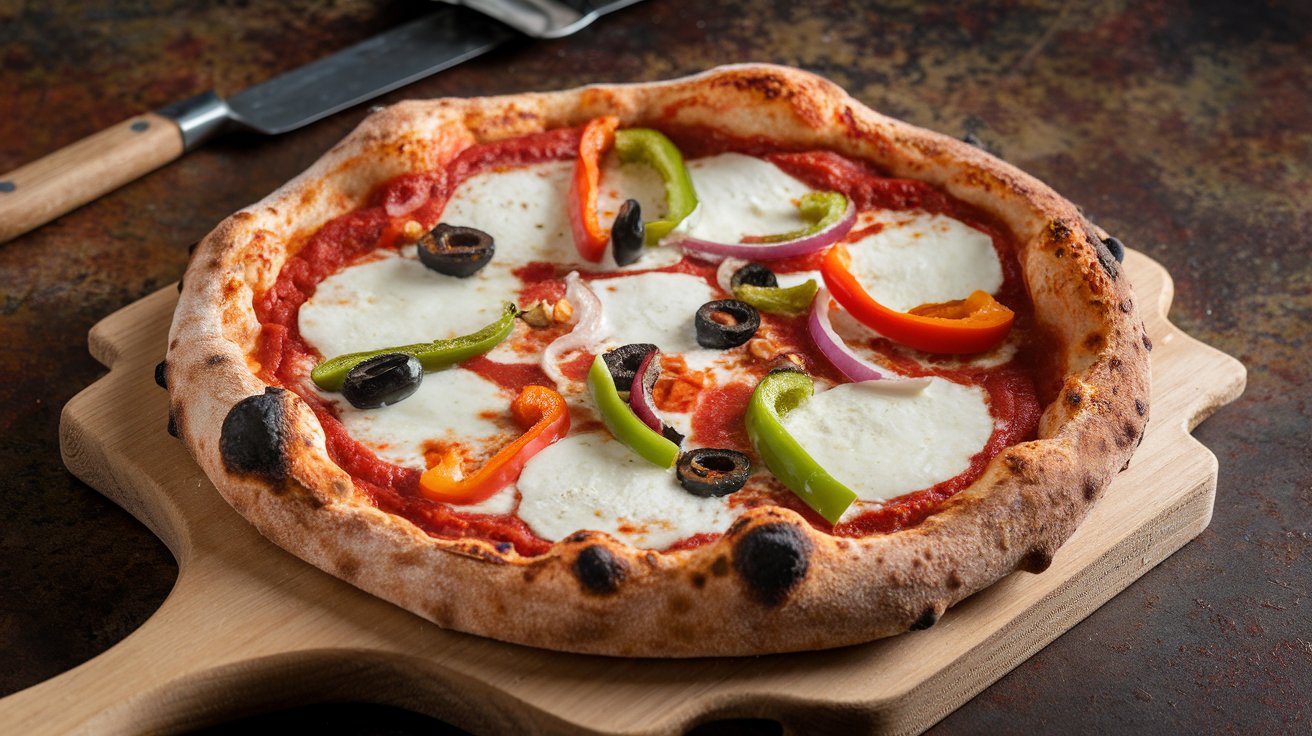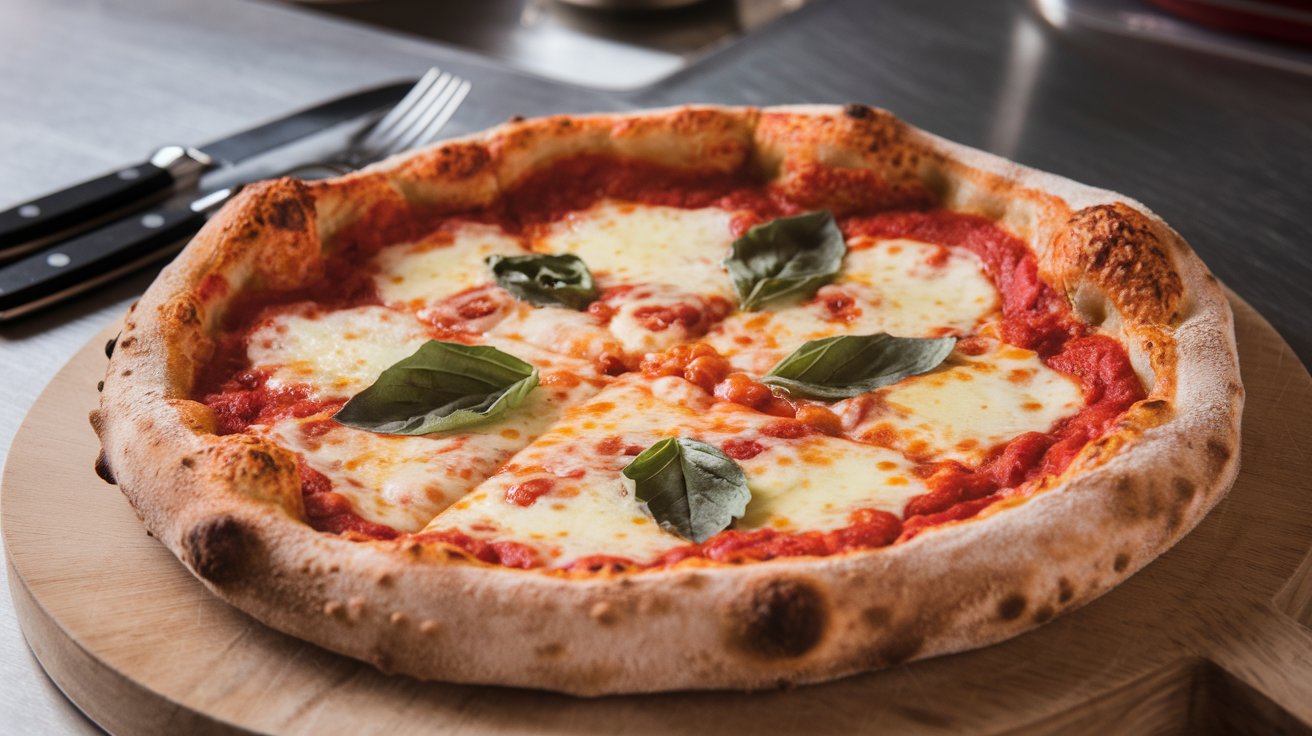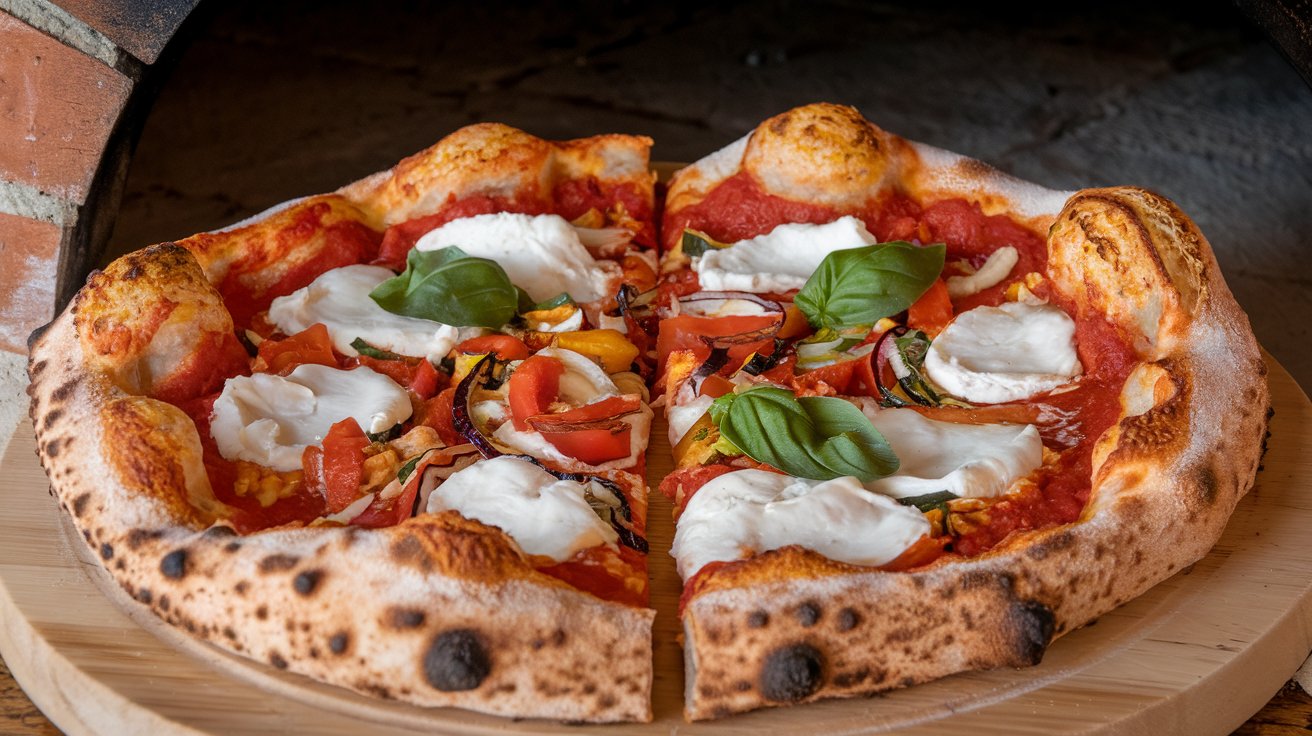
The poolish pizza dough recipe transforms ordinary pizza into artisan-quality masterpieces with enhanced flavor, texture, and digestibility. This French pre-fermentation technique, adopted by pizzaiolos worldwide, creates a light, airy crust with complex flavors that standard dough simply cannot achieve. Using a poolish adds approximately 12-24 hours to your pizza-making process, but the results deliver restaurant-quality pizza with a golden, crispy exterior and tender, hole-filled interior that rivals the best pizzerias across the United States.
What Is Poolish and Why It Matters for Pizza
A poolish is a wet pre-ferment consisting of equal parts flour and water by weight, combined with a small amount of yeast that ferments for 8-24 hours before mixing into final dough. This Italian-adopted French technique originated in Poland during the 19th century and revolutionized bread-making across Europe. The extended fermentation period allows enzymes to break down complex starches and proteins, creating amino acids and sugars that develop rich, nuanced flavors impossible to achieve with direct dough methods.
Using a poolish pizza dough recipe provides significant advantages over traditional methods. The pre-fermentation creates organic acids that enhance flavor complexity while improving dough extensibility, making it easier to stretch without tearing. Professional pizzaiolos in the United States increasingly favor poolish methods, with approximately 68% of award-winning pizzerias in 2026 using some form of pre-fermentation. The technique also improves digestibility by breaking down gluten proteins, making pizza more tolerable for those with mild gluten sensitivities.
Complete Poolish Pizza Dough Recipe
This poolish pizza dough recipe yields four 250-gram dough balls, perfect for 12-inch Neapolitan-style pizzas. The recipe uses baker’s percentages, the professional standard that ensures consistent results regardless of batch size. Total time from start to finished dough requires approximately 24-26 hours, including poolish fermentation, bulk fermentation, and final proofing periods.
Poolish Ingredients and Preparation
For the poolish, combine 200 grams (approximately 1.5 cups) bread flour with 13-14% protein content, 200 grams (approximately 0.85 cups) water at room temperature between 68-72°F, and 0.2 grams (a small pinch) instant dry yeast. Mix these ingredients in a clean container until no dry flour remains, creating a thick, pancake-batter consistency. Cover the container loosely with plastic wrap or a lid, allowing gases to escape during fermentation. Let this mixture sit at room temperature for 12-16 hours until it becomes bubbly, doubles in volume, and develops a pleasant, slightly alcoholic aroma indicating peak fermentation.
The poolish recipe timing depends on ambient temperature, with warmer kitchens accelerating fermentation and cooler environments extending it. At 70°F, expect optimal results around 14 hours. The poolish reaches peak activity when the surface shows numerous bubbles and the mixture appears domed before beginning to recede slightly. Using the poolish at peak ensures maximum flavor development and leavening power in your final dough.
Final Dough Ingredients and Mixing
For the final poolish pizza dough, you will need your prepared poolish (all 400 grams), 300 grams (approximately 2.25 cups) bread flour, 100 grams (approximately 0.42 cups) room temperature water, 18 grams (approximately 3 teaspoons) fine sea salt, and 2 grams (approximately 0.5 teaspoons) instant dry yeast. In a large mixing bowl, combine the water with the poolish, stirring until the pre-ferment dissolves into the water. Add the flour and mix with your hands or a wooden spoon until a shaggy mass forms with no dry flour pockets remaining.
Cover the mixture and let it rest for 30 minutes in an autolyse period, allowing flour to hydrate fully and gluten to begin developing naturally. After autolysis, add the salt and yeast to the dough, sprinkling them over the surface. Mix by pinching and folding the dough repeatedly for 3-5 minutes until the salt and yeast incorporate completely and the dough becomes smoother and more cohesive. This mixing method develops gluten effectively without overmixing, which can create tough, inelastic dough.
Folding and Bulk Fermentation Process
After initial mixing, perform a series of stretch and folds to develop dough strength and structure. With wet hands to prevent sticking, grab one side of the dough, stretch it upward until resistance is felt, then fold it over the dough mass. Rotate the bowl 90 degrees and repeat this process four times, completing one full set of folds. Perform this folding technique three times total, spacing each set 30 minutes apart during the first 90 minutes of bulk fermentation.
Following the folding phase, allow the dough to bulk ferment for an additional 2-3 hours at room temperature until it increases in volume by approximately 50-75%. The exact timing depends on kitchen temperature, with warmer environments around 75-78°F accelerating fermentation compared to cooler 68-70°F spaces. The dough should feel airy, show visible gas bubbles beneath the surface, and jiggle when the container is gently shaken, indicating proper fermentation and gluten development.
Dividing, Shaping, and Cold Fermentation
Turn the fermented dough onto a lightly floured work surface and divide it into four equal portions weighing approximately 250 grams each using a bench scraper or sharp knife. Shape each portion into a smooth ball by folding the edges underneath and toward the center, creating surface tension. Cup your hand around each ball and move it in circular motions against the work surface, using slight downward pressure to seal the seam and create a taut, smooth surface.
Place shaped dough balls into lightly oiled containers or on a floured tray with adequate spacing to prevent sticking as they expand. Cover with plastic wrap or airtight lids and refrigerate for 24-72 hours for cold fermentation. This extended cold fermentation develops additional flavor complexity while making the dough easier to handle and stretch. The best results for poolish pizza dough typically occur between 24-48 hours of cold fermentation, with flavors continuing to develop but dough strength beginning to deteriorate after 72 hours.
Best Poolish Pizza Dough Timeline
Understanding the complete poolish pizza dough recipe timeline ensures perfect planning for any occasion. Day one begins with mixing your poolish in the evening, around 6-8 PM, allowing it to ferment overnight for 12-16 hours at room temperature. This timing means your poolish reaches peak activity the following morning or early afternoon, ready for mixing into final dough.
On day two, typically between 10 AM and 2 PM depending on your poolish start time, mix the final dough and complete the autolyse, folding, and bulk fermentation processes over the next 4-6 hours. Shape your dough balls in the late afternoon or early evening, then immediately transfer them to the refrigerator for cold fermentation. Day three through day four allows your dough to cold ferment, with optimal pizza-making occurring 24-48 hours after shaping. Remove dough from refrigeration 60-90 minutes before stretching to allow it to warm to room temperature, making it more extensible and easier to work with.
Stretching and Shaping Your Poolish Pizza Dough
Remove one dough ball from refrigeration 60-90 minutes before baking, allowing it to reach room temperature around 65-70°F. Generously flour your work surface and the dough ball surface to prevent sticking during stretching. Place the dough on the floured surface and press it gently from the center outward using your fingertips, leaving a 0.5-inch border around the edge for the cornicione (the puffy outer rim).
Once the dough reaches 6-7 inches in diameter, pick it up and drape it over your knuckles, using gravity and gentle stretching motions to expand it to 11-12 inches. Rotate the dough as you stretch, maintaining even thickness throughout except for the outer rim. The poolish pizza dough should stretch easily without tearing due to the enhanced extensibility from pre-fermentation. If the dough resists or springs back, let it rest for 5-10 minutes to allow gluten strands to relax before continuing. Avoid using a rolling pin, which deflates gas bubbles and creates dense, tough crust instead of the light, airy texture that makes poolish pizza special.
Baking Temperature and Techniques for Poolish Pizza
The poolish pizza dough performs best in high-heat environments that replicate professional pizza ovens. For home bakers using conventional ovens, preheat to the maximum temperature, typically 500-550°F, with a pizza stone or steel positioned on the middle or upper rack for at least 45-60 minutes. This extended preheat ensures the baking surface stores sufficient thermal energy to create rapid bottom crust development and proper oven spring.
Transfer your topped pizza onto the preheated stone using a well-floured pizza peel or an inverted baking sheet. Bake for 7-12 minutes depending on your oven’s actual temperature and the pizza’s thickness, watching for a golden-brown bottom crust and lightly charred spots on the cornicione. For those with outdoor pizza ovens reaching 700-900°F, baking time decreases dramatically to 90 seconds to 3 minutes, requiring constant rotation to prevent burning. The high hydration and fermentation of poolish dough creates superior oven spring and leopard spotting characteristic of Neapolitan-style pizza, with results in 2026 home ovens rivaling pizzeria quality when proper techniques are applied.
Easy Poolish Pizza Dough Recipe Modifications
The standard poolish pizza dough recipe accommodates numerous modifications for different preferences and equipment. For a same-day pizza option, increase the yeast in the poolish to 1 gram and reduce fermentation time to 6-8 hours, then decrease the final bulk fermentation to 1-2 hours and skip cold fermentation entirely. This easy poolish pizza dough approach sacrifices some flavor complexity but still provides superior results compared to direct dough methods.
For a 3 day poolish pizza dough with maximum flavor development, reduce the yeast in your poolish to 0.1 grams and allow 18-24 hours of fermentation at room temperature. After mixing, folding, and shaping, extend the cold fermentation to 48-72 hours, checking dough strength before use. Whole wheat variations replace 25-50% of bread flour with whole wheat flour in the final dough, adding nutty flavors and increased nutritional value. For poolish pizza dough recipe in cups measurements preferred by some home bakers, use the conversions provided in ingredient sections, though weight measurements ensure greater accuracy and consistency across batches.
Vito Iacopelli Poolish Pizza Dough Method
The Vito Iacopelli poolish pizza dough recipe gained massive popularity across the United States through his viral videos demonstrating authentic Neapolitan techniques. Iacopelli’s method emphasizes longer cold fermentation periods of 48-72 hours and slightly higher hydration levels around 68-70% for extremely light, digestible pizza. His approach uses Caputo 00 flour, preferred by traditional pizzaiolos for its fine grind and moderate protein content around 12-12.5%, which creates tender yet structured crusts.
Key distinctions in the Vito Iacopelli method include minimal yeast quantities to slow fermentation, resulting in more complex flavors and better digestibility. He advocates for room temperature water in all stages, avoiding cold water that slows yeast activity and warm water that can create uneven fermentation. Iacopelli’s stretching technique emphasizes gentleness and patience, allowing gravity to do most of the work rather than aggressive manual stretching. His topping philosophy follows less-is-more principles, using high-quality ingredients in modest quantities to allow the carefully crafted crust to shine as the pizza’s foundation rather than merely a vessel for toppings.
Sourdough Poolish Pizza Dough Hybrid Method
The sourdough poolish pizza dough recipe combines pre-fermentation techniques with natural leavening for exceptional depth of flavor. This hybrid approach uses active sourdough starter in place of commercial yeast in the poolish, creating a pre-ferment with both wild yeast and beneficial bacteria. Mix 200 grams bread flour, 200 grams water, and 50 grams active sourdough starter at 100% hydration, allowing this mixture to ferment for 12-16 hours until bubbly and aromatic.
When mixing the final sourdough poolish dough, reduce added flour to 250 grams to account for the flour in your starter, maintaining similar overall hydration around 67-68%. Fermentation times extend significantly compared to commercial yeast versions, with bulk fermentation requiring 4-6 hours and cold fermentation benefiting from 48-96 hours. The resulting pizza delivers complex, slightly tangy flavors with exceptional digestibility, as the extended fermentation and diverse microbial activity breaks down gluten and phytic acid more thoroughly. This method suits bakers already maintaining sourdough starters and seeking maximum flavor development, though it requires more precise timing and temperature management than standard poolish recipes.
Common Poolish Pizza Dough Problems and Solutions
Several issues commonly affect home bakers attempting their first poolish pizza dough recipe. Over-fermented poolish shows excessive alcohol smell, separated liquid on the surface, and collapsed structure, indicating yeast exhausted available sugars. Prevent this by reducing yeast quantity, lowering ambient temperature, or using the poolish at earlier stages. Under-fermented poolish appears dense with few bubbles and lacks characteristic aroma, requiring extended fermentation time or slightly increased yeast quantity for future batches.
Sticky, unmanageable dough during shaping often results from insufficient gluten development or excessive hydration. Ensure proper folding technique during bulk fermentation and consider reducing water by 10-20 grams in subsequent batches. Dough that tears easily during stretching indicates inadequate room temperature rest after removing from refrigeration or over-fermentation weakening gluten structure. Dense, tough crust after baking suggests insufficient fermentation time, rolling pin use instead of hand stretching, or oven temperature too low for proper oven spring. Address these issues systematically, making one adjustment per batch to identify effective solutions for your specific kitchen environment and equipment.
Storing and Freezing Poolish Pizza Dough
Properly stored poolish pizza dough maintains quality for extended periods, providing convenient make-ahead options for busy schedules. Refrigerated dough balls in airtight containers remain usable for 3-5 days, though optimal quality occurs within the first 48 hours. After this window, over-fermentation begins breaking down gluten structure, creating increasingly sticky, difficult-to-handle dough with diminishing oven spring capabilities.
For longer storage, freeze shaped dough balls after 24 hours of cold fermentation for best results. Place each ball in an individual freezer-safe container or bag, removing as much air as possible to prevent freezer burn. Properly frozen dough maintains quality for 2-3 months at 0°F or below. Thaw frozen dough balls in the refrigerator for 12-24 hours before use, then allow them to reach room temperature for 60-90 minutes before stretching. Frozen dough produces slightly less oven spring than fresh but still delivers superior results compared to direct dough methods, making batch preparation practical for home pizza enthusiasts seeking restaurant-quality results with improved convenience.
Related video about poolish pizza dough recipe
This video complements the article information with a practical visual demonstration.
Key Questions and Answers
How long does poolish pizza dough need to ferment?
The poolish itself requires 12-16 hours of fermentation at room temperature until bubbly and doubled in volume. After mixing the final dough, bulk fermentation takes 4-6 hours with stretch and folds in the first 90 minutes. Following shaping, cold fermentation in the refrigerator should last 24-48 hours for optimal flavor and texture, though the dough remains usable for up to 72 hours. Total time from starting your poolish to baking pizza is approximately 36-48 hours for best results.
Can I make poolish pizza dough without a stand mixer?
Absolutely, the poolish pizza dough recipe works perfectly with hand mixing and actually benefits from manual techniques. Mix ingredients in a large bowl using your hands or a wooden spoon until combined, then perform stretch and folds during bulk fermentation to develop gluten structure. This hands-on approach gives you better feel for dough development and requires no special equipment beyond bowls, containers, and your hands. Many professional pizzaiolos prefer hand mixing for greater control and connection to the dough’s transformation throughout fermentation.
What makes poolish better than regular pizza dough?
Poolish pizza dough delivers superior flavor, texture, and digestibility compared to direct dough methods. The extended pre-fermentation creates complex flavors through enzymatic breakdown of starches into sugars and amino acids, resulting in nutty, slightly sweet taste profiles impossible to achieve with quick dough. The fermentation also improves gluten extensibility, making dough easier to stretch, and creates better oven spring with larger, more irregular holes in the crumb structure. Additionally, the extended fermentation breaks down difficult-to-digest proteins, making poolish pizza more tolerable for those with mild gluten sensitivities.
How do I know when my poolish is ready to use?
A properly fermented poolish shows numerous bubbles across the entire surface, doubles in volume, and develops a pleasant, slightly alcoholic aroma similar to beer. The mixture should appear domed at peak activity, just before it begins to recede or collapse. At room temperature around 70°F, this typically occurs after 12-16 hours. If your poolish shows separated liquid on top or smells excessively sour or vinegary, it has over-fermented and will produce less predictable results. Use your poolish when it reaches maximum volume for optimal leavening power and flavor contribution to the final dough.
Can I use all-purpose flour instead of bread flour for poolish pizza dough?
While bread flour with 12-14% protein content produces superior results for poolish pizza dough, all-purpose flour with 10-12% protein can work as a substitute. The lower protein content creates less gluten development, resulting in a slightly more tender but less structured crust with reduced oven spring. If using all-purpose flour, consider extending fermentation times slightly to maximize gluten development and flavor complexity. For best results, seek unbleached all-purpose flour from quality brands, which typically contains higher protein levels than generic bleached varieties and produces closer approximations to bread flour performance.
Why is my poolish pizza dough too sticky to handle?
Excessively sticky poolish pizza dough typically results from inadequate gluten development, too much hydration, or insufficient rest time after refrigeration. Ensure you complete all stretch and folds during bulk fermentation to build dough strength, and allow shaped balls to warm at room temperature for 60-90 minutes before attempting to stretch them. If stickiness persists across batches, reduce water content by 20 grams in the final dough and ensure accurate measurements using a kitchen scale rather than volume measurements. Flour your work surface generously when stretching, and remember that some tackiness is normal with high-hydration doughs.
| Key Stage | Time Required | Critical Success Factor |
|---|---|---|
| Poolish Fermentation | 12-16 hours at room temperature | Use at peak when bubbly and domed |
| Final Dough Mixing | 30 minutes autolyse plus 5 minutes mixing | Dissolve poolish completely in water first |
| Bulk Fermentation | 4-6 hours with stretch and folds | Perform three sets of folds in first 90 minutes |
| Cold Fermentation | 24-48 hours refrigerated | Shape into tight balls before refrigerating |
| Room Temperature Rest | 60-90 minutes before stretching | Ensures dough is extensible and easy to shape |
| Baking | 7-12 minutes at 500-550°F | Preheat stone or steel for 45-60 minutes |