Learning how to bake pizza in oven transforms your home cooking into restaurant-quality results. The key lies in understanding precise temperatures, proper preheating, and technique variations for different pizza styles. Whether you’re making thin crust pizza or thick pan pizza, mastering oven baking ensures perfectly crispy crusts with properly melted cheese every time. This comprehensive guide covers everything from temperature settings to timing, equipment options, and style-specific methods that work in standard home ovens across the United States in 2026.
Why Temperature Matters More Than You Think
The pizza baking temperature directly impacts crust texture, cheese melt, and overall quality. Professional pizzerias use ovens reaching 800-900°F, but home ovens in the United States typically max out at 500-550°F. The temperature difference affects cooking time and technique—higher heat creates crispy crust pizza faster while lower temperatures require longer baking and different approaches. In 2026, understanding this relationship is crucial for consistent results.
When you bake pizza at proper temperatures, the crust develops its characteristic texture through rapid moisture evaporation and proper browning. Too low temperatures result in soggy, undercooked dough, while excessively high heat burns toppings before the crust fully cooks. Most American home bakers achieve best results between 450-550°F depending on pizza style, with strategic use of oven positioning and broiler techniques to compensate for commercial oven capabilities.
Essential Equipment for Baking Pizza in Your Oven
Choosing the right equipment dramatically improves your homemade pizza in oven outcomes. While commercial pizza ovens cost thousands, home cooks can achieve excellent results with affordable tools designed for standard ovens.
Pizza Stones and Steel Options
A pizza stone absorbs moisture and distributes heat evenly, creating crispier crusts than baking sheets. Preheat stones for 45-60 minutes at your target temperature—this thermal mass mimics professional oven floors. Pizza steels conduct heat even better than stones, reducing baking time by 25-30%. In 2026, 14-16 inch stones remain most popular for American home ovens, fitting standard oven racks while accommodating 12-14 inch pizzas.
When learning how to cook pizza in oven without stone, inverted baking sheets work as alternatives. Preheat upside-down sheet pans for 30 minutes—the flat surface allows easy pizza sliding and provides better heat than rimmed sides. Cast iron skillets also work excellently for pan-style pizzas, offering superior heat retention without specialized equipment.
Baking Without Pans or Stones
Learning how to bake pizza in oven without pan requires parchment paper or cornmeal techniques. Place assembled pizza on parchment, then transfer directly to preheated oven rack or baking sheet. The parchment prevents sticking and allows easy repositioning. Alternatively, dust your work surface and pizza peel with cornmeal—this creates tiny rollers that help the pizza dough slide smoothly onto hot surfaces.
For crispiest results without specialized equipment, bake pizza directly on oven rack positioned in the lowest slot. This method works best for thinner crusts that won’t sag through rack bars. Use parchment paper underneath for the first 5-6 minutes, then carefully remove it to allow direct rack contact for final crisping.
Pizza Baking Temperature by Style
Different pizza styles require specific temperatures for authentic results. Understanding these variations ensures your homemade pizza matches the characteristics of professional versions. Temperature adjustments account for crust thickness, topping density, and desired texture outcomes.
Neapolitan and Margherita Pizza: 450-500°F Plus Broiler
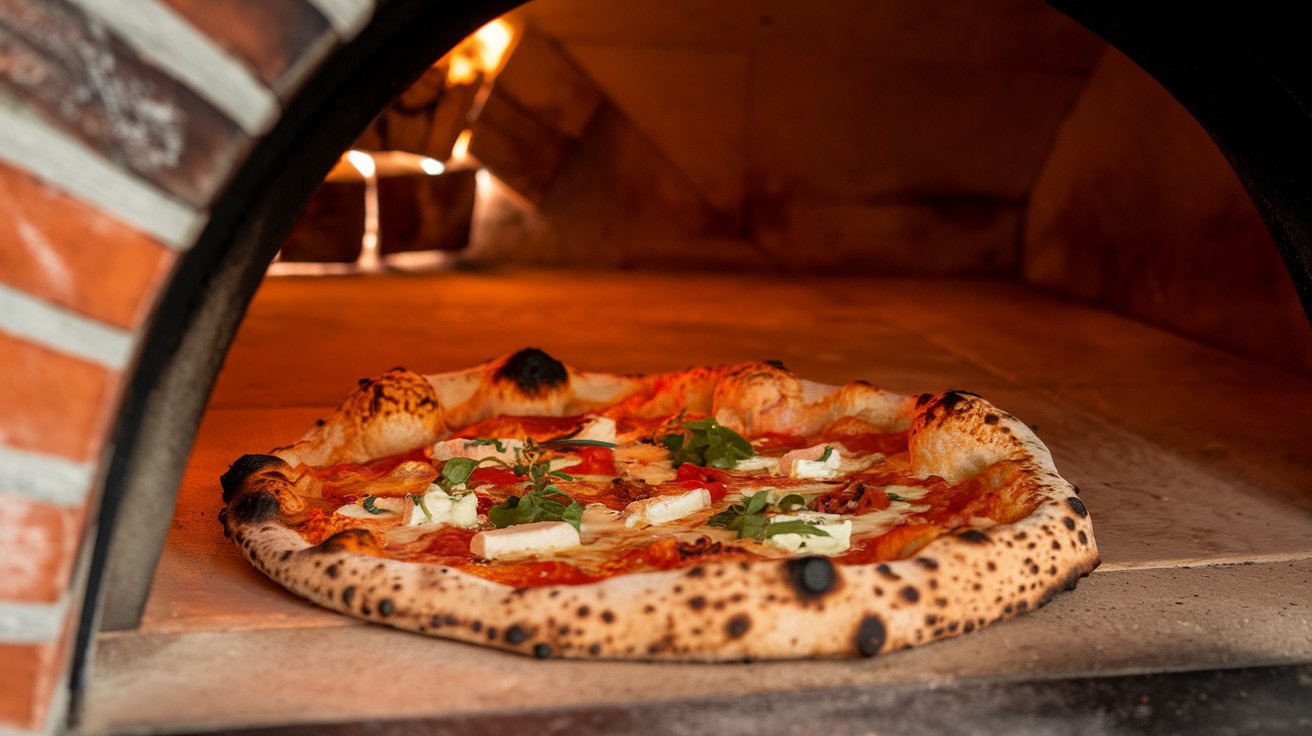
Neapolitan pizza traditionally bakes at 800-900°F in wood-fired ovens, creating characteristic leopard-spotted crusts in 90 seconds. Home ovens require temperature compensation—set to 500°F (or maximum setting) and preheat for 60 minutes with pizza stone. After placing pizza, activate broiler for final 2-3 minutes to simulate intense top heat, achieving properly charred edges and bubbling cheese.
For Margherita pizza, this high-heat approach prevents soggy centers despite minimal toppings. The quick bake preserves fresh basil flavor and prevents excessive moisture release from tomatoes. In 2026, American home bakers using this method report 8-10 minute total baking times with results closely matching authentic Italian versions.
New York Style Pizza: 500-550°F
New York style pizza requires sustained high heat for its signature foldable yet crispy crust. Set ovens to maximum temperature (typically 500-550°F for American home ovens) and preheat for 45 minutes minimum. This style benefits from pizza steel or well-seasoned stone, as the thermal mass maintains temperature despite the larger, topping-heavy pizza.
The pizza baking time for New York style runs 10-14 minutes, rotating halfway for even browning. Bottom rack positioning creates crispier crusts, while middle rack prevents top burning. The higher temperature relative to thicker styles ensures proper cheese melt without drying out the characteristic chewy-crispy crust texture American pizza lovers expect.
Thin and Crispy Pizza: 475-500°F
Thin crust pizza achieves best crispness at 475-500°F for 8-12 minutes. The reduced dough thickness requires slightly lower temperatures than New York style to prevent burning before toppings fully cook. Position rack in bottom third of oven for maximum bottom heat exposure, essential for preventing soggy centers.
When making crispy pizza at home, minimize sauce and toppings—excess moisture is thin crust’s enemy. Parbake the crust for 3-4 minutes before adding toppings, then complete baking. This two-stage approach ensures fully cooked dough underneath melted cheese and prevents the undercooked centers that plague thin crust attempts.
Detroit and Pan Style Pizza: 450-475°F
Detroit style pizza and thick pan pizzas require lower temperatures (450-475°F) for 15-20 minutes to fully cook the substantial dough without burning edges. These styles bake in well-oiled pans, where the oil creates fried, caramelized edges—a defining characteristic achieved through longer baking at moderate temperatures.
Start pan pizza on bottom rack for first 10 minutes to set the base, then move to middle rack to finish top browning. The thicker dough needs this extended baking time to cook through completely. Cast iron skillets work excellently for these styles, maintaining even heat distribution throughout the longer bake.
Specialty Pizzas: BBQ Chicken and Others
BBQ chicken pizza and other specialty varieties bake at 450-475°F for 12-15 minutes. These pizzas often feature pre-cooked proteins and sugar-containing sauces that burn at higher temperatures. The moderate heat ensures toppings heat through without charring while still achieving crispy crusts.
For pizzas with delicate toppings like arugula or prosciutto, bake the base pizza first, then add sensitive ingredients during the final 2-3 minutes or immediately after removing from oven. This prevents wilting, overcooking, or burning of ingredients that don’t withstand full baking temperatures.
How to Cook Pizza Dough in Oven: Step-by-Step Process
Properly preparing and baking pizza dough requires systematic steps that build on each other. Following this sequence ensures consistent results regardless of recipe variations or oven types.
Dough Preparation and Stretching
Remove pizza dough from refrigerator 30-45 minutes before baking—cold dough resists stretching and tears easily. Let it reach room temperature on a floured surface, covered with a damp towel. Proper temperature dough stretches smoothly to desired thickness without snapping back.
When stretching, work from center outward, rotating and gently pulling rather than rolling with a pin. Rolling removes air bubbles that create desirable texture. For homemade pizza dough, maintain a slightly thicker edge for crust formation. The center should be thin enough to see light through when held up—approximately 1/4 inch for standard pizzas.
Proper Preheating Techniques
Preheat time matters as much as temperature setting. Standard home ovens require 45-60 minutes of preheating with pizza stone or steel inside to reach true baking temperature. Oven thermostats often misreport actual cavity temperature—investing in an oven thermometer ensures accuracy. In 2026 testing, most American home ovens show 25-50°F discrepancies between display and actual temperature.
Position your stone or steel on the lowest rack for bottom heat, or middle rack for more balanced cooking. Never place cold stones in hot ovens—the thermal shock causes cracking. Always preheat stones from room temperature, allowing gradual heat absorption that prevents damage and ensures even pizza baking performance.
Perfect Pizza Baking Times at Every Temperature
Understanding how long to bake pizza at various temperatures prevents undercooking and burning. These times assume properly preheated ovens and standard 12-14 inch pizzas.
At 450°F, most pizzas require 12-16 minutes depending on thickness. This moderate temperature works well for thicker crusts and heavily topped pizzas that need time for thorough cooking. At 475°F, reduce time to 10-14 minutes—suitable for medium-thickness crusts with standard toppings. When baking at 500°F or higher, expect 8-12 minute baking times for thin to medium crusts. These high temperatures demand close monitoring to prevent burning.
For those wondering about how long to bake pizza at 180 degrees Celsius (356°F), this lower temperature requires 18-22 minutes but produces less desirable results. The extended time at lower heat often creates tougher crusts without the characteristic crispness. American home ovens work best in the 450-550°F range for superior pizza texture and flavor development.
Temperature Conversions for International Recipes
When learning how to bake pizza in oven Celsius, conversions ensure recipe accuracy. The optimal range translates to 230-290°C for most pizza styles. Neapolitan pizza targets 260-290°C (500-550°F), while thick pan styles work at 230-245°C (450-475°F).
European recipes often specify pizza baking in Celsius, requiring conversion for American ovens displaying Fahrenheit. Use the formula: °F = (°C × 9/5) + 32, or remember key conversions: 230°C = 450°F, 260°C = 500°F, 290°C = 550°F. In 2026, many digital ovens offer dual display options, but understanding conversions remains essential for recipe adaptation.
The Broiler Technique That Changes Everything
Strategic broiler use compensates for home oven limitations compared to commercial pizza ovens. Professional ovens provide intense top heat while maintaining high bottom heat—home ovens require the broiler to simulate this effect.
After baking pizza for 70-80% of estimated time at your target temperature, switch to broiler mode for final 2-3 minutes. Position the rack 6-8 inches from broiler element—closer causes burning while farther provides insufficient browning. This technique creates properly charred cheese and bubble-spotted crusts characteristic of high-end pizzerias.
Watch constantly during broiling—the intense heat can burn pizza in seconds. Rotate as needed for even browning. This broiler trick works especially well for Neapolitan and thin-crust styles where traditional high-heat baking produces the best results. American home cooks report this single technique improving their pizza quality more than any other adjustment in 2026 surveys.
Common Pizza Temperature Mistakes to Avoid
The biggest pizza baking mistakes involve temperature management. Not preheating long enough causes soggy crusts—stones and steels require full thermal saturation to work properly. Opening the oven door repeatedly to check progress drops temperature 25-50°F each time, extending cooking times and affecting crust texture.
Many home bakers ask should pizza be at 375 or 400 degrees? Neither temperature is optimal—both fall below the 450°F minimum for properly crispy pizza crusts. These lower temperatures work for frozen commercial pizzas designed for extended baking, but fresh homemade pizza requires higher heat for restaurant-quality results. The 450-550°F range delivers superior crust texture, proper cheese melt, and reduced moisture retention.
Another common error involves overcrowding toppings, especially on high-temperature pizzas. Excessive toppings release moisture that prevents crust crisping and causes ingredient sliding. At temperatures above 475°F, use restraint with toppings—the quick baking time works best with moderate topping quantities that heat through completely without excess moisture.
Special Considerations: Dietary Restrictions and Pizza Baking
For individuals managing acid reflux, pizza baking techniques require modifications. High-fat cheese and acidic tomato sauce trigger symptoms, but adjustments allow enjoyment without discomfort. Learning how to make pizza for acid reflux involves lower-acid sauce bases, reduced cheese quantities, and avoiding trigger toppings like pepperoni or onions.
Bake reflux-friendly pizza at standard temperatures (450-475°F) but use alternatives: white sauce or olive oil bases instead of tomato sauce, lower-fat mozzarella in smaller amounts, and non-acidic vegetables like spinach or mushrooms. The baking process remains identical—temperature and timing don’t require adjustment, only ingredient selections change to accommodate digestive sensitivities while maintaining delicious results.
Reheating Pizza to Restaurant Quality
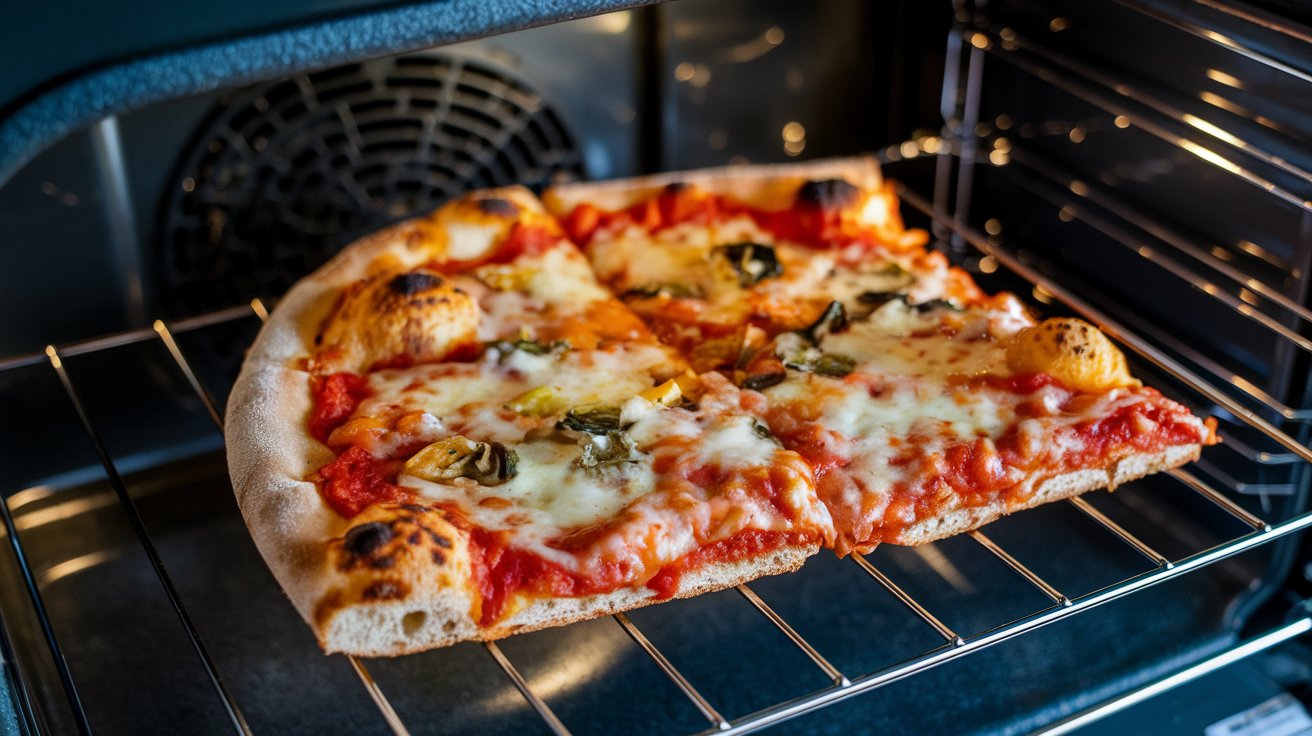
Properly reheating pizza in oven restores crispness better than microwaving. Preheat oven to 375-400°F—higher than initial baking isn’t necessary since the pizza is already cooked. Place slices directly on oven rack or preheated baking sheet for 5-8 minutes until cheese bubbles and crust crisps.
For best reheated pizza texture, place a small oven-safe container of water on the bottom rack. The steam prevents excessive drying while heat re-crisps the crust. Cover pizza loosely with foil for the first 4 minutes if cheese browns too quickly, then remove foil for final crisping. This technique makes day-old pizza nearly indistinguishable from fresh in both texture and flavor.
Troubleshooting Common Pizza Baking Problems
When your pizza crust stays soggy, temperature is usually too low or preheating insufficient. Ensure oven reaches full temperature and stone preheats for minimum 45 minutes. Reduce sauce quantity—excess moisture is the primary soggy crust culprit. Parbaking crust for 3-4 minutes before topping also prevents this issue.
If the bottom burns before the top cooks, your rack position is too low or temperature too high. Move to middle rack and reduce temperature by 25°F. Conversely, if tops brown before bottoms crisp, raise temperature and lower rack position. These adjustments account for individual oven hot spots and heating element positions that vary across American home oven brands.
For pizzas where cheese doesn’t melt properly, temperature is adequate but timing is insufficient or cheese is too cold. Always use room-temperature cheese for even melting. If cheese browns before melting fully, tent pizza loosely with foil for first 5-6 minutes, then remove for final browning. This technique works especially well for thick-topped pizzas requiring longer baking times without burning.
Related video about how to bake pizza in oven
This video complements the article information with a practical visual demonstration.
Key Questions and Answers
Should pizza be at 375 or 400 degrees Fahrenheit?
Neither temperature is optimal for homemade pizza. Professional results require 450-550°F depending on pizza style. Temperatures of 375-400°F are too low for crispy crusts, resulting in longer baking times that produce tougher, less desirable textures. Neapolitan and New York styles work best at 500-550°F, while thick pan pizzas succeed at 450-475°F. The higher heat creates proper crust texture through rapid moisture evaporation and browning. Only pre-made frozen pizzas are designed for the lower 375-400°F range with their extended 18-22 minute baking times.
How long to bake a pizza at 400 in the oven?
At 400°F, homemade pizza requires 14-18 minutes, though this temperature is suboptimal for best results. The lower heat extends baking time without producing the crispy crust characteristic of properly baked pizza. For thin crusts at 400°F, expect 12-14 minutes; medium thickness needs 14-16 minutes; thick pan styles require 16-18 minutes. However, increasing temperature to 450-500°F significantly improves texture and flavor while reducing baking time to 8-14 minutes. Always preheat for 45-60 minutes regardless of temperature setting to ensure consistent results.
How do you make pizza for acid reflux?
Making pizza for acid reflux requires ingredient modifications rather than baking technique changes. Replace tomato sauce with white sauce, olive oil base, or low-acid marinara alternatives. Use reduced-fat mozzarella in smaller quantities—excess fat triggers reflux. Avoid acidic toppings like pepperoni, sausage, onions, and peppers. Choose reflux-friendly options: grilled chicken, spinach, mushrooms, and fresh herbs. Bake at standard temperatures (450-475°F) for 10-14 minutes depending on thickness. The baking process remains identical—only ingredient selection changes to accommodate digestive sensitivities while maintaining delicious, crispy results.
Can you bake pizza in the oven without a pizza stone?
Yes, you can successfully bake pizza without a stone using several methods. Invert a baking sheet and preheat it for 30 minutes—the flat surface mimics a stone’s function. Alternatively, bake directly on the oven rack positioned in the lowest slot using parchment paper underneath for the first 5 minutes, then removing it for final crisping. Cast iron skillets work excellently for pan-style pizzas with superior heat retention. Standard baking sheets also work though they produce slightly less crispy crusts. For all methods, proper preheating (45-60 minutes) at correct temperatures (450-550°F) matters more than specific equipment.
What temperature to cook homemade pizza in oven?
Homemade pizza bakes best at 450-550°F depending on style. Neapolitan and thin-crust pizzas require 500-550°F (260-290°C) for 8-10 minutes, creating crispy, lightly charred crusts. New York style works at 500-550°F for 10-14 minutes. Thick pan and Detroit styles need 450-475°F for 15-20 minutes to cook through without burning. Always set your oven to its maximum safe temperature within this range and preheat for minimum 45 minutes with stone or steel inside. Most American home ovens max at 500-550°F, which produces excellent results when combined with proper preheating and strategic broiler use.
How long does it take to bake pizza at 180 degrees Celsius?
At 180°C (356°F), pizza requires 18-22 minutes but produces inferior results compared to higher temperatures. This lower heat is below optimal range for crispy crusts, creating tougher textures despite extended baking time. Thin crusts need 16-18 minutes, medium thickness 18-20 minutes, and thick styles 20-22 minutes at 180°C. However, increasing to 230-260°C (450-500°F) dramatically improves crust texture and flavor while reducing time to 10-14 minutes. The 180°C setting works only for certain frozen pizzas specifically designed for lower-temperature baking. Fresh homemade pizza always benefits from higher heat for authentic pizzeria-quality results.
| Pizza Style | Temperature | Baking Time | Key Technique |
|---|---|---|---|
| Neapolitan | 500-550°F | 8-10 minutes | Use broiler for final 2-3 minutes |
| New York Style | 500-550°F | 10-14 minutes | Bottom rack, rotate halfway |
| Thin & Crispy | 475-500°F | 8-12 minutes | Parbake crust before topping |
| Detroit/Pan | 450-475°F | 15-20 minutes | Start bottom rack, move to middle |
| Specialty/BBQ | 450-475°F | 12-15 minutes | Add delicate toppings last 3 minutes |
| Reheating | 375-400°F | 5-8 minutes | Direct rack, water pan for moisture |