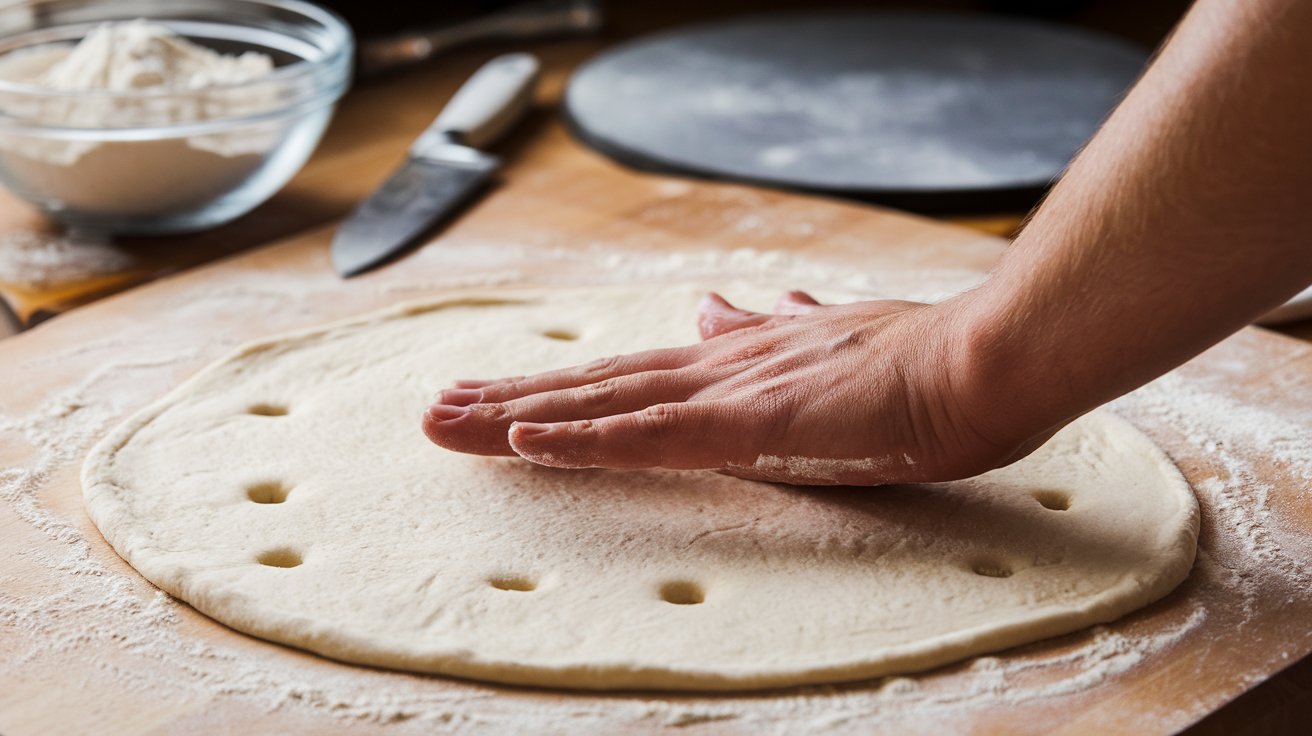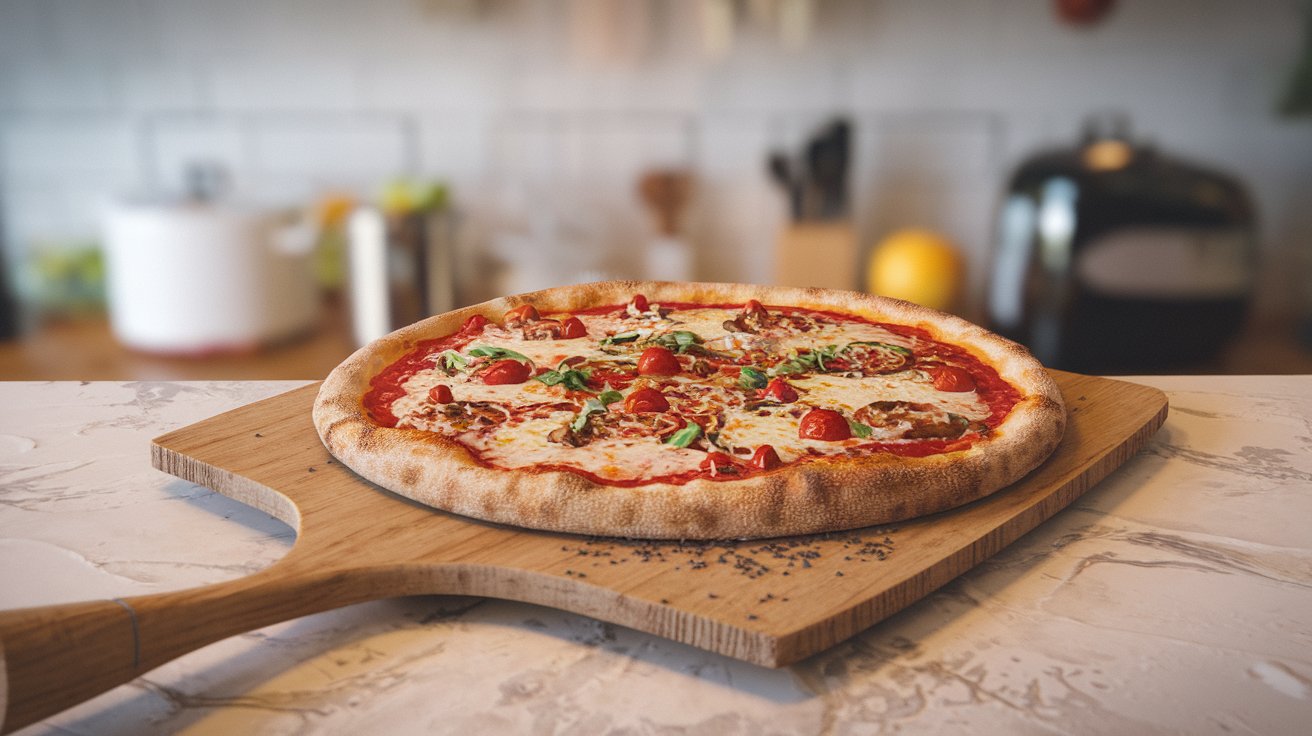
The ideal pizza dough rise time ranges from 1 hour at room temperature for quick recipes to 72 hours in the refrigerator for maximum flavor development. Most home bakers achieve excellent results with 8-24 hours of cold fermentation, which creates a balance between convenience and taste. Understanding how temperature, yeast type, and fermentation method affect your dough will help you consistently produce restaurant-quality pizza at home with a perfectly airy, flavorful crust.
Quick Answer: Standard Pizza Dough Rise Times
For room temperature rising, pizza dough needs a minimum of 1-2 hours for the first rise, allowing the yeast to activate and the dough to double in size. If you’re using instant yeast, you can reduce this time to 60-90 minutes in a warm environment around 75-80°F. Cold fermentation in the refrigerator requires 24-72 hours, offering superior flavor development through slower yeast activity and enzymatic breakdown of starches. As of 2026, professional pizzaiolos in the United States increasingly favor the 48-hour cold rise method as the optimal balance between schedule flexibility and crust quality.
The second rise after shaping typically requires 30-60 minutes at room temperature before you begin rolling or stretching your dough. This rest period, often called bench rest, allows the gluten network to relax and makes the dough easier to work with. Different yeast types affect timing significantly: active dry yeast needs 1.5-2 hours at room temperature, while fresh yeast may only require 45-60 minutes. Understanding these timeframes helps you plan your pizza-making schedule whether you’re preparing same-day dough or planning several days ahead for weekend entertaining.
Room Temperature Rising: The Fast Method
Room temperature fermentation remains the quickest path to homemade pizza, ideal when you’re starting from scratch in the morning and want fresh pizza by dinner. At temperatures between 70-75°F, standard pizza dough with 2.25 teaspoons of active dry yeast per 500g flour will complete its first rise in approximately 90-120 minutes. The dough should double in volume, developing a smooth, elastic texture with visible air bubbles forming just beneath the surface. In 2026, American home bakers report the most consistent results when maintaining ambient temperatures around 72-74°F, which aligns with typical household thermostat settings during spring and fall months.
Warmer environments accelerate the process significantly. At 80-85°F, you can reduce the first rise to just 60-75 minutes, though this faster fermentation sacrifices some flavor complexity. Professional bakers call this the warm rise method, often achieved by placing dough in an oven with only the interior light on or near a warm stovetop. However, temperatures exceeding 90°F risk killing the yeast or creating an overly alcoholic taste from rapid fermentation. The key indicator of proper rising is volume doubling rather than strict time adherence, as humidity, flour protein content, and yeast freshness all influence actual timing requirements.
Factors That Affect Room Temperature Rise Time
Several variables impact how long your pizza dough takes to rise at room temperature. Ambient humidity levels play a crucial role: in dry climates like Arizona or Nevada, dough may form a skin and rise more slowly, while humid Southern states like Florida see faster fermentation. The protein content of your flour matters significantly—bread flour with 12-14% protein creates stronger gluten networks that can take 15-20% longer to rise compared to all-purpose flour with 10-11% protein. Yeast quantity directly correlates with rise speed: doubling the yeast can cut your rise time nearly in half, though this increases the risk of over-fermentation and yeasty flavors.
Sugar and salt concentrations also modify fermentation rates. Adding 1-2 tablespoons of sugar per 500g flour feeds the yeast and accelerates rising by 10-15 minutes, while salt levels above 2% of flour weight slow yeast activity and extend rise times. In 2026, artisan pizza makers across the United States increasingly use lower yeast quantities with longer rise times to develop complex flavor profiles, even in room temperature recipes. Water temperature at mixing influences initial yeast activation: using warm water between 105-110°F jumpstarts fermentation, while cold water delays it, allowing you to control timing based on your schedule needs.
How to Tell When Room Temperature Dough Is Ready
Visual and tactile cues provide more reliable indicators than clock time when determining if your pizza dough has risen sufficiently. The dough should approximately double in volume, filling the bowl or container with a noticeably puffy, airy mass. Perform the poke test: gently press your fingertip about half an inch into the dough surface—if the indentation slowly springs back but leaves a slight impression, fermentation is complete. If it springs back immediately, the dough needs more time; if it doesn’t spring back at all, you’ve likely over-proofed and should proceed immediately to prevent quality loss.
Look for a smooth, dome-shaped surface with subtle stretch marks where the dough has expanded against the container. When you smell the dough, it should have a pleasant, slightly sweet yeast aroma without sharp alcoholic notes that indicate over-fermentation. The texture should feel soft and pillowy when gently pressed, not dense or tight. Professionals in New York and Chicago pizzerias use these same assessment techniques regardless of whether they’re working with traditional hand-tossed dough or deep-dish varieties, applying consistent quality standards that home bakers can replicate with practice and attention to these fermentation signals.
Cold Fermentation: The Superior Flavor Method
Refrigerator fermentation has become the gold standard for pizza dough among serious home bakers and professionals throughout the United States in 2026. This method involves mixing your dough, allowing a brief 30-60 minute room temperature rise, then transferring it to the refrigerator for 24-72 hours of slow fermentation. The cold environment slows yeast activity dramatically while allowing enzymatic processes to continue breaking down starches and proteins, creating a more digestible dough with enhanced flavor complexity. Pizzerias from Portland to Miami now advertise their cold-fermented dough as a premium feature, with many customers willing to pay 15-20% more for crusts made with this technique.
The science behind cold fermentation explains its superiority. At refrigerator temperatures of 38-40°F, yeast metabolism continues at approximately 10% of room temperature rates, producing carbon dioxide gradually without generating excessive alcohol or acidity. This extended timeframe allows natural enzymes in the flour to develop amino acids and simple sugars that contribute to browning and caramelization during baking. Studies from the American Institute of Baking confirm that 48-hour cold-fermented dough develops 40% more flavor compounds compared to 2-hour room temperature dough. The technique also offers practical advantages: you can prepare dough on Thursday evening for Saturday dinner, fitting pizza-making into busy schedules without compromising quality.
24-Hour Cold Rise: Minimum Flavor Development
The 24-hour cold fermentation represents the minimum timeframe for noticeable flavor improvement over room temperature methods. After mixing your dough with standard quantities of yeast (approximately 0.3-0.5% of flour weight), allow it to rest at room temperature for 30-60 minutes until slightly puffy. Transfer the dough to an airtight container or bowl covered with plastic wrap, ensuring enough space for modest expansion, and refrigerate immediately. During the first 24 hours, the dough will increase in volume by 50-75%, developing a smoother texture and beginning to show tiny fermentation bubbles throughout the interior.
This timeframe works exceptionally well for weeknight pizza preparation: make dough Tuesday evening, refrigerate overnight, and use it Wednesday dinner. The crust will taste noticeably better than same-day dough, with improved chewiness and subtle fermentation notes, though it won’t achieve the complex flavors of longer fermentation. Remove the dough from refrigeration 60-90 minutes before shaping to allow it to warm slightly and relax, making it easier to stretch without tearing. California and Texas home bakers report that 24-hour cold-fermented dough provides 85% of the benefits of longer fermentation while remaining perfectly manageable for those new to cold fermentation techniques.
48-72 Hour Cold Rise: Optimal Flavor Window
The 48-72 hour cold fermentation window produces exceptional pizza dough with maximum flavor development and optimal texture characteristics. During this extended period, enzymatic activity continues breaking down complex carbohydrates into simple sugars, creating the foundation for superior crust browning and caramelization. The gluten network also undergoes structural changes that improve extensibility, making the dough easier to stretch thin without snapping back. Professional pizza makers in artisan establishments across Brooklyn, Chicago, and San Francisco predominantly use this timeframe, often preparing Monday dough for Wednesday service and Wednesday dough for Friday-Saturday rushes.
At the 48-hour mark, dough develops noticeably tangy, complex flavors reminiscent of sourdough, with a perfect balance between yeast character and wheat sweetness. By 72 hours, these flavors intensify further, though beyond this point, risk of over-fermentation increases, especially with standard yeast quantities. Many experienced bakers reduce yeast to just 0.2% of flour weight for 72-hour fermentation, preventing excessive sourness while maintaining structure. The dough should increase to 2-3 times its original volume over this period. If it hasn’t risen substantially by 48 hours, your refrigerator may be too cold (below 36°F) or your yeast may have been compromised during mixing with excessively hot water.
Beyond 72 Hours: Extended Cold Fermentation
Fermentation periods beyond 72 hours require reduced yeast quantities and careful monitoring to prevent over-proofing and excessive acidity. Some artisan bakers successfully extend cold fermentation to 5-7 days by using just 0.1-0.15% yeast relative to flour weight, creating extremely complex flavor profiles with pronounced tangy notes. However, this approach demands experience and attention: the dough can collapse if fermentation proceeds too far, losing its ability to hold gas and producing flat, dense crusts. Signs of over-fermentation include a very strong alcoholic smell, grayish color, and dough that spreads rapidly when removed from the refrigerator rather than maintaining shape.
In 2026, specialty pizzerias in Portland, Austin, and Denver experiment with 4-5 day fermentation schedules, marketing them as premium artisan products with distinctive flavor signatures. Home bakers attempting extended fermentation should use high-protein bread flour (13-14% protein) to maintain structural integrity throughout the longer timeframe. If your dough shows signs of over-fermentation before your planned baking time, you can rescue it by shaping and freezing immediately, then thawing in the refrigerator the night before use. Most experts agree that for home bakers, the sweet spot remains 48-60 hours, offering exceptional results without requiring the precise yeast calculations and monitoring needed for longer fermentation periods.
Rise Time Variations by Yeast Type
Different yeast varieties require distinct rise time adjustments to achieve optimal fermentation. Active dry yeast, the most common type in American supermarkets, needs to be dissolved in warm water before mixing and typically requires 1.5-2 hours for room temperature rising or 24-48 hours for cold fermentation when used at standard quantities of 2.25 teaspoons per 500g flour. Instant yeast (also called rapid-rise or bread machine yeast) can be mixed directly into flour and ferments approximately 25% faster than active dry yeast, reducing room temperature rise to 60-90 minutes while maintaining similar cold fermentation timeframes since refrigerator temperatures slow both types equally.
Fresh yeast (cake yeast), increasingly available in specialty stores across the United States in 2026, offers the fastest fermentation rates and most vigorous rise, typically requiring just 45-60 minutes at room temperature. However, it has a shorter shelf life of only 2-3 weeks refrigerated compared to months or years for dried varieties. For cold fermentation with fresh yeast, reduce the quantity by half compared to active dry yeast recipes to prevent over-fermentation. Some traditional New York pizzerias continue using fresh yeast exclusively, claiming it produces superior flavor and texture, though controlled testing shows minimal differences when fermentation times are properly adjusted for each yeast type.
Adjusting Rise Times for Instant Yeast
When working with instant yeast for pizza dough, reduce your expected rise times by approximately 20-30% compared to active dry yeast recipes. At room temperature, instant yeast typically completes the first rise in 60-75 minutes rather than 90-120 minutes, making it ideal for same-day pizza when time is limited. The smaller particle size and lack of dead yeast cells in instant yeast means it activates more quickly upon contact with moisture, beginning fermentation almost immediately without requiring a proofing step in warm water.
For cold fermentation, instant yeast performs similarly to active dry yeast over 24-72 hour periods, though some bakers report it produces slightly more sour flavors at the 72-hour mark. If your recipe calls for active dry yeast but you only have instant yeast available, use 25% less instant yeast by weight or about 1.75 teaspoons instant instead of 2.25 teaspoons active dry per 500g flour. This adjustment prevents over-fermentation and maintains proper flavor balance. Major pizza chains throughout the United States predominantly use instant yeast for consistency and speed, while artisan establishments often prefer active dry yeast or fresh yeast for traditional character and marginally superior flavor development in long cold fermentations.
How Long Should Pizza Dough Rest After Kneading
The rest period immediately after kneading, called bulk fermentation or first rise, typically requires 1-2 hours at room temperature regardless of whether you plan to use the dough immediately or transfer it to cold fermentation. This initial rest allows the yeast to begin producing carbon dioxide while the gluten network relaxes from the mechanical stress of kneading. Even if you’re planning cold fermentation for 48 hours, skip this initial room temperature rest will result in dough that never fully develops proper texture and flavor, as the yeast needs time to acclimate and begin metabolism before being slowed by refrigeration temperatures.
After the bulk fermentation, divide and shape your dough into individual pizza balls, then allow a second rest period of 30-60 minutes before refrigerating or using immediately. This bench rest lets the gluten strands realign after division and forms a smooth outer skin that prevents moisture loss. Professional pizzaiolos consider this step critical: attempting to stretch dough immediately after shaping results in tears and uneven thickness because the gluten hasn’t had time to relax. In 2026, successful home pizza makers across America consistently allow adequate resting time both before and after shaping, recognizing that patience during these periods separates mediocre homemade pizza from restaurant-quality results.
How Long Should Pizza Dough Sit Before Rolling
Pizza dough must rest at room temperature for 30-90 minutes before rolling or stretching to achieve optimal workability and prevent tearing. If you’re using dough straight from the refrigerator, the longer end of this range (60-90 minutes) is necessary to allow the cold dough to warm and the gluten to relax fully. Room temperature dough that hasn’t been refrigerated typically needs only 30-45 minutes of bench rest after shaping into balls. During this period, the dough should be covered with a damp towel or plastic wrap to prevent surface drying, which creates a tough skin that resists stretching.
The temperature of your dough dramatically affects stretching ease. Dough below 60°F remains stiff and elastic, snapping back aggressively when stretched and making thin crusts nearly impossible to achieve. Dough between 65-70°F becomes pliable and cooperative, stretching smoothly without excessive resistance. Above 75°F, dough becomes too soft and risks tearing easily or losing structure. In warmer states like Florida, Texas, and Arizona, bakers in 2026 often refrigerate their shaped dough balls for 20-30 minutes during summer months if room temperature exceeds 78°F, then allow them to rest just 30-40 minutes before stretching to maintain the ideal working temperature range throughout the shaping process.
Signs Your Dough Has Rested Enough
Several indicators signal that your pizza dough is ready for stretching. The dough should feel noticeably softer and more relaxed when gently pressed compared to immediately after shaping. Perform the windowpane test: carefully stretch a small piece of dough between your fingers—if it stretches thin enough to see light through without tearing, the gluten network has developed properly and relaxed sufficiently. The dough should also spread slightly on its own when placed on a work surface, flattening gently under its own weight rather than maintaining a tight ball shape.
When you begin stretching, properly rested dough extends smoothly without aggressive snap-back. If the dough continually contracts after stretching, it needs more rest time—cover it and wait another 15-20 minutes. The surface should appear smooth and slightly puffy with no dry spots or cracks, indicating adequate moisture retention and proper fermentation. Temperature matters significantly: dough that feels cool to the touch (below 65°F) needs more time even if it’s been resting for an hour, while dough at 68-72°F typically reaches ideal consistency within the standard timeframe. Experienced pizza makers throughout the United States develop an intuitive feel for dough readiness, but beginners achieve consistent success by adhering to these observable markers and minimum rest periods.
Is 4 Hours Too Long for Pizza Dough to Rise
Four hours at room temperature is not too long for pizza dough if you’ve used appropriate yeast quantities and maintained moderate temperatures. With standard yeast amounts (0.5-0.8% of flour weight), pizza dough rising for 4 hours at 70-75°F will be fully fermented and ready to use, possibly showing signs of slight over-fermentation if the environment is particularly warm. The dough should have tripled in volume, showing numerous large gas bubbles throughout the interior when cut open. At this point, it’s reached or slightly exceeded optimal fermentation, and you should shape and use it promptly rather than allowing additional rise time.
However, if you intentionally planned a longer room temperature fermentation, reduce your yeast quantity to 0.2-0.3% of flour weight to prevent over-fermentation during the 4-hour window. This approach allows the extended time to develop more complex flavors without risking collapse or excessive sourness. Professional bakers sometimes use this technique for same-day dough with enhanced flavor, splitting the difference between quick 90-minute dough and full cold fermentation. In 2026, artisan pizza makers in competitive markets like Los Angeles and Seattle employ calculated 4-6 hour room temperature rises with reduced yeast, achieving flavor profiles that satisfy customers expecting sophisticated taste without requiring the advance planning of cold fermentation.
Does Longer Rise Time Make Better Pizza Dough
Extended fermentation periods consistently produce superior pizza dough in terms of flavor complexity, digestibility, and texture, though diminishing returns apply beyond 48-72 hours. The longer rise allows enzymatic processes to break down starches into simple sugars, creating enhanced browning and caramelization during baking. Proteins undergo partial breakdown, making the dough easier to digest and reducing the heavy, bloated feeling some people experience after eating quick-rise pizza. Flavor compounds multiply significantly: studies show that 48-hour fermented dough contains 300-400% more flavor compounds than 2-hour dough, creating nutty, complex tastes impossible to achieve with rapid methods.
The texture improvements are equally dramatic. Long fermentation produces more open, irregular crumb structures with larger air pockets characteristic of Neapolitan-style pizza, while quick-rise dough tends toward uniform, tight crumb. The crust develops better chew and a satisfying contrast between crispy exterior and tender interior. However, these benefits plateau around the 48-72 hour mark—dough fermented for 96+ hours rarely tastes noticeably better than 72-hour dough unless you’re a trained professional. In blind taste tests conducted across the United States in 2026, consumers consistently ranked 48-hour cold-fermented pizza as superior to both same-day and 7-day options, suggesting the sweet spot for home bakers lies in the 2-3 day range rather than pushing for maximum fermentation time.
When Quick Rise Is Acceptable
Despite the advantages of long fermentation, quick-rise pizza dough absolutely has its place in home cooking. When you decide to make pizza spontaneously and need dough ready in 2-3 hours, quick-rise methods using increased yeast quantities (1-1.5% of flour weight) and warm temperatures (75-85°F) produce perfectly acceptable results, especially for casual family meals where convenience outweighs pursuit of perfection. The resulting pizza won’t have the complex flavors and irregular crumb of long-fermented dough, but it will still taste vastly superior to store-bought options and satisfy most diners who aren’t making direct comparisons.
Quick-rise dough works particularly well for thicker crust styles like Detroit-style or Sicilian pizza, where the added toppings and oil contribute significant flavor that compensates for simpler dough character. Children and picky eaters often prefer the milder taste of quick-rise dough, finding long-fermented dough’s tangy notes too assertive. During busy weeknights or when cooking for large groups where timing precision matters more than artisan quality, quick-rise methods provide reliability and stress-free execution. Many successful home pizza makers in 2026 maintain both approaches in their repertoire: long-fermented dough for special occasions and entertaining, quick-rise for spontaneous weeknight dinners and kid-friendly meals.
Troubleshooting Common Rise Time Problems
When pizza dough fails to rise properly, several factors might be responsible. Insufficient rise after 2 hours at room temperature typically indicates dead or weakened yeast, water that was too hot (above 120°F) and killed the yeast during mixing, or an excessively cold environment below 65°F. Check your yeast’s expiration date and store it properly in the freezer for maximum longevity. Conversely, if dough rises too quickly or over-ferments within 60 minutes, you’ve likely used too much yeast (common when confusing teaspoons with tablespoons) or placed the dough in too warm a location above 85°F, causing explosive fermentation.
Cold-fermented dough that hasn’t risen after 24 hours in the refrigerator suggests your refrigerator is too cold (below 35°F) or your yeast quantity is insufficient for slow fermentation. Consider using slightly more yeast (0.4-0.5% of flour weight) specifically for cold rise, or allow 60-90 minutes of room temperature rising before refrigerating to give yeast a head start. Dough that collapses or becomes soupy during cold fermentation indicates over-proofing: reduce yeast quantity by half for your next batch and ensure proper container sizing with adequate air space. Throughout 2026, home bakers in online communities consistently report that keeping detailed notes on yeast amounts, temperatures, and timing helps identify patterns and achieve increasingly consistent results over multiple attempts.
Reviving Under-Risen Dough
If your pizza dough hasn’t risen adequately by your planned baking time, several rescue techniques can salvage the situation. Move the dough to a warmer location: place it in an oven with only the light on (creating approximately 80°F environment), or set the bowl in a larger container with warm water surrounding it. Adding 1/4 teaspoon fresh yeast mixed with 1 tablespoon warm water directly into under-risen dough can jumpstart fermentation, though you’ll need to knead this addition in gently and allow another 60-90 minutes for the new yeast to activate and produce gas.
For cold-fermented dough that shows minimal rise after 24 hours, remove it from refrigeration and let it warm to room temperature over 2-3 hours—the warming process often triggers delayed fermentation activity. If you’re truly pressed for time and the dough remains dense and tight, you can still use it but should roll it thinner than originally planned and expect a firmer, less airy crust that still tastes good if properly topped and baked at high temperature. Prevention proves easier than correction: proof your yeast before mixing by combining it with warm water and a pinch of sugar, waiting 5-10 minutes to verify foaming and bubbling that confirms viability before committing your flour and other ingredients to a batch with dead yeast.
Managing Over-Risen Dough
Over-fermented pizza dough exhibits distinct characteristics: an excessively strong alcoholic or vinegary smell, grayish color instead of creamy white, and a tendency to spread rapidly and collapse when handled rather than maintaining structure. If you catch over-fermentation early when the dough is just slightly past peak, you can still use it successfully—punch it down gently to release excess gas, shape immediately, and proceed to baking without additional rise time. The resulting crust will have strong yeast flavor but remain structurally sound and edible, though not representative of your best work.
Severely over-fermented dough that spreads like batter has exhausted its gluten structure and can’t be fully rescued for traditional pizza. However, you can repurpose it by rolling very thin and using for flatbread or crispy cracker-style bases that don’t require structural integrity. To prevent over-fermentation in future batches, reduce yeast quantities when planning long room temperature rises, monitor ambient temperature carefully, and set phone reminders to check dough progress at regular intervals. For cold fermentation, divide the dough into individual balls before refrigerating so you can remove and use portions as they reach optimal fermentation rather than committing an entire batch to the same timeline. This technique proves especially valuable in 2026 as more home bakers prepare multiple pizza dough balls for sequential use throughout a week.
Temperature Control for Consistent Rise Times
Precise temperature management is the single most important factor for achieving consistent pizza dough rise times across multiple batches. Invest in an inexpensive instant-read thermometer to monitor both your water temperature during mixing (target 105-110°F for active dry yeast, 95-100°F for instant yeast) and your ambient environment temperature during rising. Most American homes maintain 68-72°F during temperate months, ideal for standard rise times, but summer temperatures above 78°F accelerate fermentation significantly while winter temperatures below 65°F slow it dramatically.
Create a makeshift proofing box for consistent results regardless of seasonal variations: place your dough bowl in an oven with only the interior light on, generating steady 75-80°F temperatures perfect for predictable fermentation. Alternatively, fill a large cooler with warm water bottles or heating pads set to low, creating a stable warm environment. For cold fermentation, verify your refrigerator temperature stays between 38-40°F for optimal results—temperatures below 35°F essentially halt fermentation while temperatures above 42°F risk over-fermentation of long-storage dough. In 2026, smart home technology integration has made temperature monitoring easier, with app-connected thermometers alerting home bakers when conditions drift outside optimal ranges, though simple manual monitoring with basic thermometers remains perfectly effective for consistent results.
Related video about how long to let pizza dough rise
This video complements the article information with a practical visual demonstration.
Questions & Answers
Can pizza dough rise in 1 hour?
Yes, pizza dough can rise sufficiently in 1 hour if you use instant yeast at increased quantities (1% of flour weight) and maintain warm temperatures around 80-85°F. The dough should approximately double in volume during this time. However, this rapid rise produces less flavorful dough compared to longer fermentation methods, making it suitable for quick weeknight meals rather than special occasions. For best results with 1-hour rise time, use bread flour for better structure and ensure your environment stays consistently warm throughout the entire fermentation period.
Is it better to let pizza dough rise in the fridge?
Refrigerator rising is significantly better for flavor development and texture compared to room temperature rising alone. Cold fermentation lasting 24-72 hours allows enzymatic processes to break down starches and proteins, creating more complex flavors, better browning, and improved digestibility. The slower fermentation produces a more open crumb structure with larger air pockets characteristic of artisan pizza. The convenience factor also favors cold fermentation—you can prepare dough days ahead and fit pizza-making into busy schedules. Most professional pizzaiolos and serious home bakers in 2026 consider cold fermentation the superior method despite requiring advance planning.
How long should pizza dough rest at room temperature before using?
Pizza dough should rest at room temperature for 30-90 minutes before stretching and baking, with the exact timing depending on whether it’s been refrigerated. Cold dough straight from the refrigerator needs the full 60-90 minutes to warm and allow the gluten to relax, making it workable without tearing. Room temperature dough that hasn’t been refrigerated typically needs only 30-45 minutes of bench rest after shaping. The dough should feel soft and pliable, stretch easily without snapping back aggressively, and register approximately 65-70°F on a thermometer for optimal handling characteristics during shaping and stretching.
Can you let pizza dough rise too long?
Yes, pizza dough can definitely rise too long, resulting in over-fermentation that compromises texture and flavor. At room temperature, dough left beyond 4-6 hours with standard yeast quantities develops excessive sourness, alcohol flavors, and may collapse as gluten structure breaks down. In the refrigerator, dough fermented beyond 96 hours risks over-proofing unless yeast quantities are carefully reduced. Signs of over-fermentation include strong alcoholic smell, grayish color, and dough that spreads rapidly when handled. If caught early, over-fermented dough can still be used by punching down and shaping immediately, though severely over-fermented dough loses structural integrity and can’t be rescued for traditional pizza applications.
What happens if you don’t let pizza dough rise long enough?
Under-risen pizza dough produces dense, tough crusts lacking the characteristic airy texture of properly fermented pizza. The insufficient fermentation means inadequate gas production, resulting in flat crusts without the desirable open crumb structure. Flavor development remains minimal, creating bland dough that tastes primarily of raw flour. The gluten network hasn’t had adequate time to relax, making the dough difficult to stretch and prone to shrinking back during shaping. While edible, under-risen pizza dough requires rolling much thinner than intended and delivers significantly inferior results compared to properly fermented dough. If you discover your dough is under-risen, extending the rise time in a warm environment can salvage the batch rather than proceeding with compromised dough.
How do you know when pizza dough is done rising?
Pizza dough is ready when it has approximately doubled in volume, passes the poke test (indentation springs back slowly but leaves slight impression), and feels soft and pillowy to the touch. Visual indicators include a smooth, dome-shaped surface with subtle stretch marks and visible air bubbles just beneath the surface. The dough should smell pleasantly yeasty without sharp alcoholic notes. For cold-fermented dough, it should increase to 2-3 times its original size over 24-72 hours. These indicators prove more reliable than clock time since temperature, humidity, yeast freshness, and flour protein content all influence actual rise duration. Developing recognition of these sensory cues through practice leads to consistently perfect pizza dough timing.
| Rise Method | Time Required | Best Application |
|---|---|---|
| Quick Room Temperature | 1-2 hours at 75-85°F | Same-day pizza, weeknight meals, casual family dining |
| Standard Room Temperature | 2-4 hours at 68-75°F | Morning to evening preparation, balanced flavor development |
| 24-Hour Cold Fermentation | 24 hours at 38-40°F | Next-day planning, improved flavor over quick rise |
| 48-72 Hour Cold Fermentation | 2-3 days at 38-40°F | Maximum flavor, artisan quality, entertaining, special occasions |
| Extended Cold Fermentation | 4-7 days at 38-40°F | Expert bakers only, extreme flavor development, requires reduced yeast |