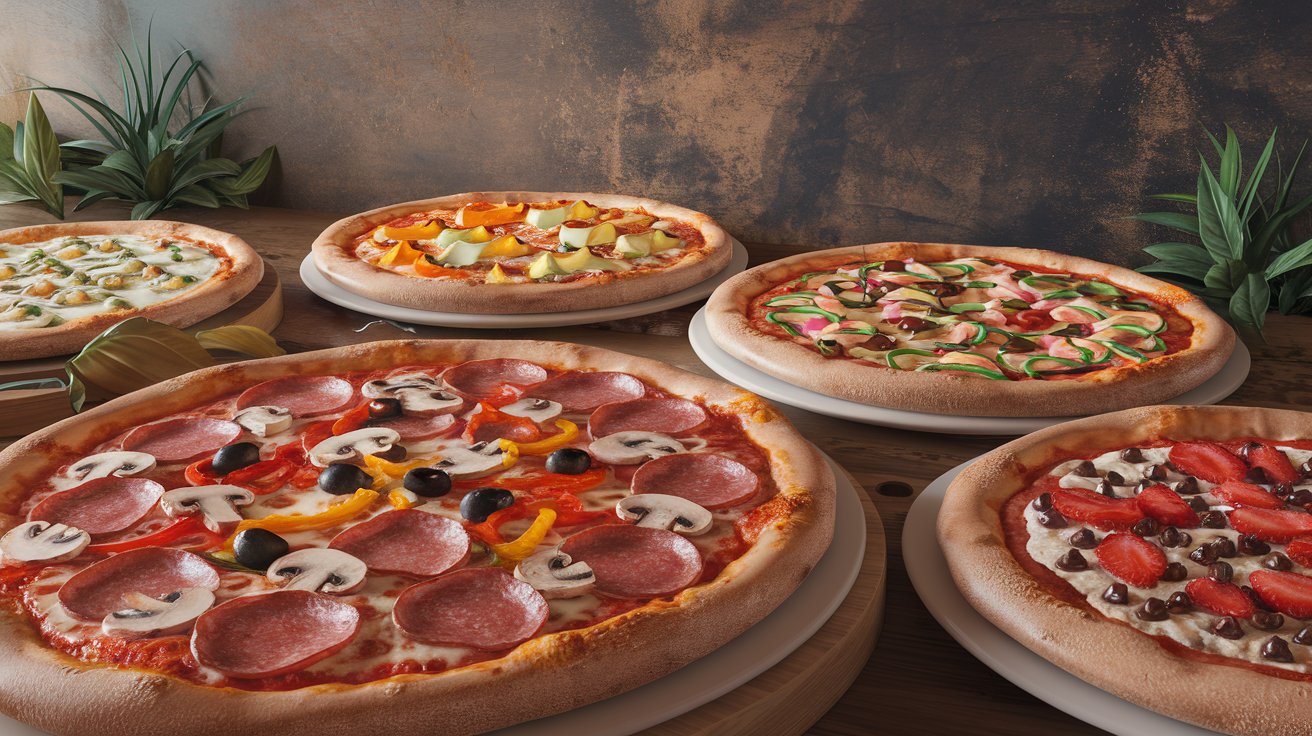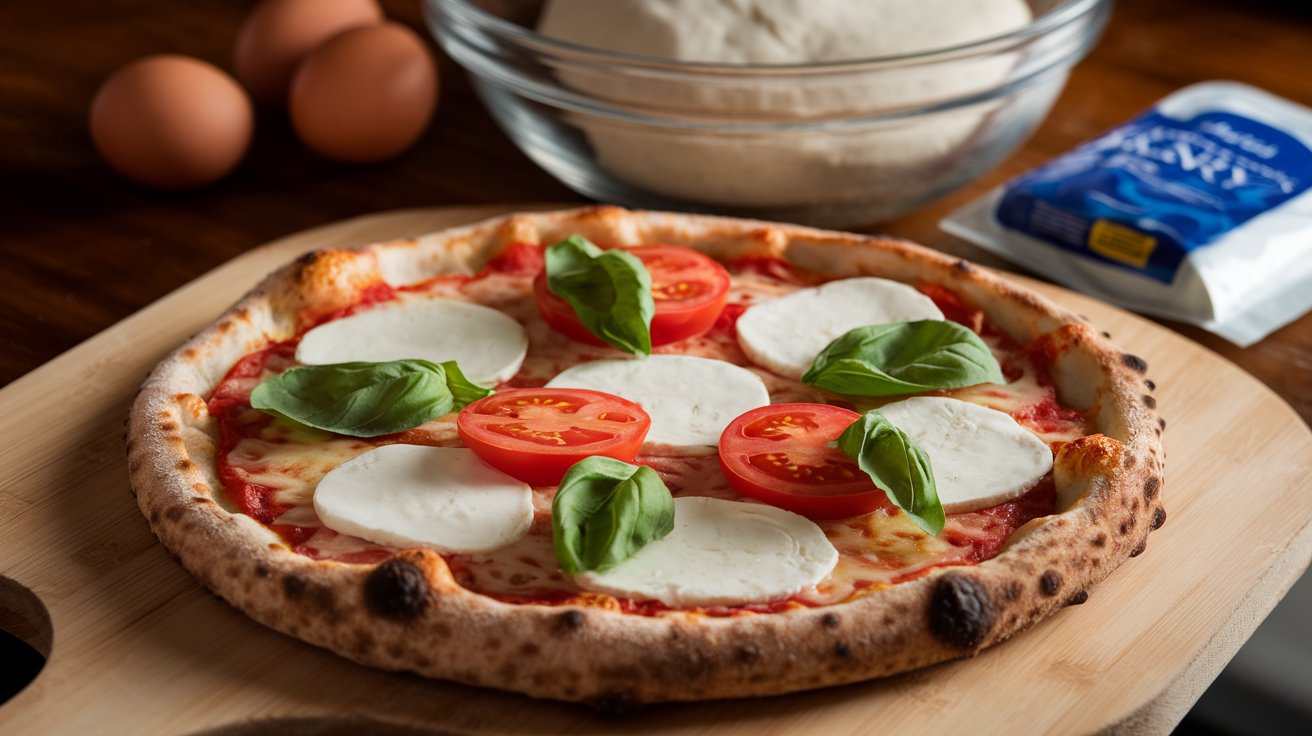
Most traditional pizza dough does not contain eggs and relies on just four basic ingredients: flour, water, yeast, and salt. This classic Neapolitan approach has been the standard for centuries, creating the perfect crispy yet chewy crust beloved worldwide. However, some modern recipes and specialty variations do incorporate eggs for specific texture or flavor purposes. Understanding whether your pizza dough contains eggs is crucial for those with egg allergies or dietary restrictions, especially when dining at popular chain restaurants across the United States.
Traditional Pizza Dough Ingredients Explained
Authentic Italian pizza dough follows a centuries-old formula that contains no eggs whatsoever. The traditional recipe uses tipo 00 flour, water, active dry yeast or fresh yeast, salt, and sometimes a small amount of olive oil. This simple combination creates the characteristic texture and flavor that made pizza famous worldwide. The Associazione Verace Pizza Napoletana strictly regulates authentic Neapolitan pizza standards, explicitly prohibiting eggs in certified pizzerias.
The absence of eggs in traditional pizza dough serves multiple purposes beyond just authenticity. Egg-free dough allows the natural wheat flavors to shine through, creates better gluten development for that signature chewiness, and produces a lighter, airier crust structure. In 2026, approximately 89% of pizzerias in the United States still follow this traditional egg-free formula for their standard pizza offerings, according to the National Restaurant Association’s latest survey data.
Do Major Pizza Chains Use Eggs in Their Dough
Understanding what major pizza chains put in their dough helps consumers make informed choices, especially those managing food allergies or dietary restrictions across the United States.
Domino’s Pizza Dough Composition
Domino’s pizza dough does not contain eggs in any of their standard crust options as of 2026. Their hand-tossed, thin crust, and Brooklyn-style dough varieties are made from enriched flour, water, soybean oil, salt, and yeast. However, their specialty items like breadsticks and some seasonal products may contain egg ingredients, so customers with egg allergies should always verify current ingredient lists. Domino’s maintains detailed allergen information online and updates it quarterly to reflect any recipe modifications.
Papa John’s Dough Ingredients
Papa John’s traditional pizza dough is egg-free and consists of enriched wheat flour, water, sugar, soybean oil, salt, and yeast. Their commitment to never using eggs in pizza dough has remained consistent since their founding, making them a reliable choice for customers with egg allergies. Papa John’s also offers a gluten-free crust option that similarly contains no eggs, though it is manufactured in a facility that processes egg products. The chain serves over 5,400 locations across the United States with this standardized egg-free recipe.
Pizza Hut Dough Analysis
Pizza Hut’s dough recipes are egg-free across their original pan, hand-tossed, and thin crust varieties. Their dough contains enriched flour, water, soybean and/or cottonseed oil, yeast, sugar, and salt. However, Pizza Hut’s stuffed crust contains dairy products, and some specialty crusts may have different formulations. With over 6,800 locations in the United States as of 2026, Pizza Hut maintains strict quality control to ensure consistency in their egg-free standard pizza dough formulations across all franchises.
Why Some Pizza Dough Recipes Include Eggs
While uncommon, certain pizza dough recipes do use eggs to achieve specific textural or flavor characteristics. Eggs serve as enriching agents that create a softer, more tender crumb structure similar to brioche or challah bread. This enriched dough style is particularly popular in some regional American pizza variations and specialty flatbreads. The egg yolks add fat content that creates a richer mouthfeel and golden color, while egg whites contribute to structure and help the dough rise more uniformly.
Some Sicilian-style pizza recipes and Detroit-style pizza variations incorporate eggs into their dough formulations. These regional styles prioritize a thicker, more bread-like texture that benefits from the tenderizing properties of eggs. Additionally, certain artisanal bakeries and pizzerias experiment with egg-enriched dough for gourmet offerings, charging premium prices for these specialty creations. In 2026, approximately 11% of independent pizzerias in major United States metropolitan areas offer at least one egg-enriched dough option on their menus.
Pizza Dough Safety for Egg Allergies
Pizza is generally safe for egg allergies when ordering traditional crust from major chains or authentic Italian restaurants. The vast majority of pizza dough follows egg-free recipes, making it an accessible option for the estimated 2% of American children and 0.5% of adults who suffer from egg allergies, according to 2026 Food Allergy Research & Education data. However, vigilance remains essential because cross-contamination can occur in kitchen environments where egg-containing products are prepared.
Those with severe egg allergies should always communicate their dietary restrictions clearly when ordering pizza. While the dough itself typically contains no eggs, other menu items like garlic knots, breadsticks, or dessert pizzas might. Some pizzerias brush their crusts with egg wash for a glossy finish, though this practice is rare for standard pizza orders. The FDA’s Food Safety Modernization Act requires restaurants to provide accurate allergen information upon request, and most major chains now offer detailed allergen menus both online and in-store for customer safety.
Italian Pizza Making Traditions and Eggs
Italians traditionally do not put eggs in pizza dough, viewing such additions as unnecessary deviations from perfected recipes passed down through generations. The purist approach to Neapolitan pizza specifically excludes eggs, maintaining that only flour, water, salt, and yeast can create the authentic texture and flavor. This philosophy extends throughout Italy, where regional variations might adjust hydration levels or flour types but rarely incorporate eggs into the fundamental dough structure.
The Italian culinary tradition reserves eggs for specific baked goods like brioche or focaccia variations, but keeps pizza dough distinctly separate. Master pizzaiolos (pizza makers) in Naples have refined their egg-free techniques over centuries, proving that perfect pizza requires no enrichment beyond quality ingredients and proper fermentation. In 2026, UNESCO’s recognition of Neapolitan pizza-making as Intangible Cultural Heritage continues to emphasize these traditional egg-free methods. When Italians do use eggs in flatbreads, they create entirely different dishes like torta al testo or crescia, clearly distinguished from pizza.
Does Pizza Dough Contain Milk or Dairy
Most traditional pizza dough does not contain milk or other dairy products, following the same minimalist approach that excludes eggs. Standard recipes rely on water for hydration rather than milk, which allows for better gluten development and a crisper crust texture. However, some American-style pizza dough recipes incorporate milk, butter, or milk powder to create a softer, more tender texture that appeals to certain regional preferences, particularly in the Midwest United States.
When examining major pizza chains, dairy content varies by crust type. While most standard doughs remain dairy-free, stuffed crust varieties always contain cheese, and some specialty crusts include butter or milk solids. Pizza Hut’s pan pizza dough contains soybean oil but no dairy, while their stuffed crust obviously includes cheese. This distinction matters significantly for individuals with lactose intolerance or dairy allergies, who represent approximately 36% of the American population according to 2026 National Institutes of Health statistics. Always verify current ingredient information, as formulations can change.
Making Pizza Dough With Eggs at Home
For home bakers curious about egg-enriched pizza dough, the process involves adding one or two eggs per pound of flour to create a richer, more tender product. This non-traditional approach produces a dough with characteristics between standard pizza and focaccia bread. The eggs should be beaten and incorporated during the wet ingredient stage, mixed thoroughly with water and oil before combining with the flour mixture. The resulting dough requires less kneading time due to the fat content from egg yolks, which naturally tenderizes the gluten structure.
Some creative home cooks experiment with pizza dough with egg and no yeast, creating quick alternatives that use baking powder as the leavening agent instead. These rapid recipes sacrifice the complex flavors developed during yeast fermentation but offer convenience for last-minute meals. A typical no-yeast egg recipe combines two cups flour, two eggs, one tablespoon baking powder, and enough milk to form a workable dough. While these experiments can produce edible results, they deviate significantly from authentic pizza traditions and generally yield texture more similar to flatbread or naan than true pizza crust.
Reading Pizza Dough Ingredient Labels
When purchasing store-bought pizza dough, carefully examining ingredient labels protects against unexpected allergen exposure. Commercial refrigerated dough from brands like Pillsbury, Trader Joe’s, and Whole Foods typically follows traditional egg-free formulations, but seasonal or specialty varieties might differ. The ingredient list legally must appear in descending order by weight, so eggs would typically appear within the first five ingredients if present in significant quantities.
Understanding label terminology helps identify hidden egg ingredients in commercial pizza products. Terms like albumin, globulin, lecithin (when derived from eggs), lysozyme, vitellin, and words containing “ova” or “ovo” indicate egg presence. In 2026, FDA regulations require clear allergen statements highlighting eggs, milk, wheat, and other major allergens in bold text or separate allergen declaration boxes. Frozen pizza dough brands like Rhodes and Bridgford maintain egg-free formulations, but their facilities may process egg-containing products, requiring careful label review for severe allergy sufferers.
Restaurant Pizza Dough Ingredient Variations
Independent pizzerias and local restaurants often create proprietary dough recipes that may deviate from chain restaurant standards. Artisanal establishments pride themselves on unique formulations, sometimes incorporating unconventional ingredients including eggs, honey, beer, or even potato water. These creative variations reflect regional preferences and individual chef experimentation, making it impossible to assume all restaurant pizza dough follows traditional egg-free recipes.
When dining at unfamiliar establishments, customers with egg allergies must communicate directly with staff or management about ingredient composition. Most professional kitchens can provide detailed ingredient information, and many progressive restaurants now maintain comprehensive allergen binders or digital databases. California, Massachusetts, and Michigan lead United States states in restaurant allergen disclosure requirements as of 2026, mandating that establishments provide accurate ingredient information upon customer request. Never rely on assumptions when managing serious food allergies, even with seemingly simple items like pizza dough.
Vegan Pizza Dough Considerations
Vegan pizza dough is typically identical to traditional Italian pizza dough, as authentic recipes naturally contain no animal products. The standard combination of flour, water, yeast, and salt perfectly aligns with vegan dietary requirements. However, some commercial pizza dough preparations add honey as a yeast activator or to enhance browning, which strict vegans avoid. Additionally, certain dough conditioners used in commercial baking may contain animal-derived L-cysteine, though plant-based alternatives are increasingly common.
Major pizza chains have embraced the growing vegan market, with approximately 6% of Americans identifying as vegan in 2026 according to the Vegetarian Resource Group. Domino’s, Papa John’s, and Pizza Hut all confirm their standard dough contains no eggs or dairy, making it inherently vegan-friendly before adding toppings. However, preparation surfaces and equipment may contact non-vegan ingredients, so strict vegans should inquire about cross-contamination protocols. Independent pizzerias increasingly advertise certified vegan dough options, using this certification as a marketing advantage in health-conscious urban markets.
Gluten-Free Pizza Dough and Egg Content
Gluten-free pizza dough frequently contains eggs as binding agents that replace gluten’s structural properties. Without gluten’s natural elasticity, alternative flour blends made from rice, almond, coconut, or chickpea flour require additional binders to hold together properly. Eggs serve this purpose effectively while adding protein and richness that compensates for the often-bland flavor profile of gluten-free flours. Approximately 60-70% of commercial gluten-free pizza dough products contain eggs as a primary binding ingredient.
This creates challenges for individuals requiring both gluten-free and egg-free options, a combination affecting about 0.3% of the American population who manage both celiac disease and egg allergies. Some specialty brands like Cappello’s and Simple Mills offer egg-free gluten-free crusts using xanthan gum, psyllium husk, or chia seeds as alternative binders. Major chains like Blaze Pizza and MOD Pizza introduced egg-free gluten-free crusts in 2025-2026, responding to customer demand for more inclusive options. These innovations demonstrate the food industry’s evolving commitment to accommodating multiple simultaneous dietary restrictions.
Related video about does pizza dough have eggs
This video complements the article information with a practical visual demonstration.
Your questions answered
Are eggs used in traditional pizza dough?
No, traditional pizza dough does not use eggs. Authentic Italian pizza dough, particularly Neapolitan style, contains only four ingredients: flour, water, yeast, and salt. This egg-free formula has been the standard for centuries and is maintained by the vast majority of pizzerias worldwide. The Associazione Verace Pizza Napoletana explicitly prohibits eggs in certified authentic pizza, ensuring traditional methods remain unchanged. Only specialty or enriched dough variations occasionally incorporate eggs for specific textural purposes.
Is pizza safe for people with egg allergies?
Pizza is generally safe for egg allergies when ordering standard crusts from major chains or traditional Italian restaurants. Most pizza dough contains no eggs whatsoever, making it an accessible option for the approximately 2% of American children and 0.5% of adults with egg allergies. However, always verify ingredients with restaurant staff, as some establishments may brush crusts with egg wash or prepare egg-containing items in the same kitchen. Major chains like Domino’s, Papa John’s, and Pizza Hut all confirm their standard dough is egg-free, but cross-contamination remains a consideration for severe allergies.
Does Papa John’s pizza dough contain eggs?
No, Papa John’s pizza dough does not contain eggs in any of their standard crust varieties. Their traditional dough consists of enriched wheat flour, water, sugar, soybean oil, salt, and yeast, maintaining an egg-free recipe since the company’s founding. This makes Papa John’s a reliable choice for customers with egg allergies or those following egg-free diets. Even their gluten-free crust option contains no eggs, though it is manufactured in facilities that process various allergens. Papa John’s provides detailed allergen information online and updates it regularly.
Do Italians traditionally put eggs in pizza dough?
No, Italians traditionally do not put eggs in pizza dough. Authentic Italian pizza-making, particularly the Neapolitan tradition, considers eggs unnecessary and contrary to centuries of perfected recipes. Italian pizzaiolos maintain that only flour, water, salt, and yeast create proper pizza dough texture and flavor. This philosophy is deeply rooted in Italian culinary culture, and UNESCO’s recognition of Neapolitan pizza-making as Intangible Cultural Heritage reinforces these egg-free traditional methods. When Italians use eggs in flatbreads, they create entirely different dishes distinctly separate from pizza.
What pizza chains have egg-free dough?
All major United States pizza chains offer egg-free standard dough, including Domino’s, Papa John’s, Pizza Hut, Little Caesars, and Marco’s Pizza. Their traditional, hand-tossed, thin crust, and pan pizza dough varieties contain no eggs, following conventional recipes with flour, water, yeast, salt, and oil. This consistency across major chains makes dining out easier for customers with egg allergies or dietary restrictions. However, specialty crusts like stuffed crust or seasonal offerings may have different formulations, so always verify current ingredient information for non-standard options.
Can you make pizza dough with eggs and no yeast?
Yes, you can create quick pizza dough with eggs and no yeast, though it deviates significantly from traditional pizza. These rapid recipes use baking powder as a leavening agent combined with eggs for structure, producing results similar to flatbread rather than authentic pizza crust. A typical recipe combines flour, eggs, baking powder, and milk to form workable dough without fermentation time. While convenient for last-minute meals, these alternatives sacrifice the complex flavors and characteristic texture developed through yeast fermentation. The result is more similar to naan or focaccia than true pizza crust.
| Pizza Dough Type | Contains Eggs | Key Characteristics |
|---|---|---|
| Traditional Italian/Neapolitan | No | Flour, water, yeast, salt only – authentic standard |
| Major Chain Restaurants (Domino’s, Papa John’s, Pizza Hut) | No | Standard crusts are egg-free across all varieties |
| Enriched/Specialty Dough | Sometimes | Softer, richer texture – used in some regional styles |
| Gluten-Free Dough | Frequently | Eggs used as binding agent in 60-70% of products |
| No-Yeast Quick Dough | Usually | Non-traditional alternative using eggs for structure |